Song Meaning
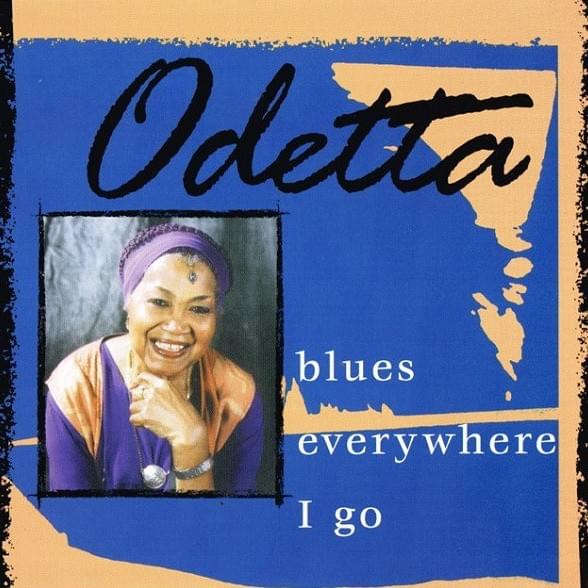
Odetta's rendition of "Dink's Blues" isn't just a song; it's a raw, distilled feeling. A feeling as old as the blues itself: the ache of longing, the weight of absence, and the bittersweet promise of eventual escape. The simplicity of the lyrics belies the depth of emotion they convey. The repeated refrain, "Fare thee well, my honey, fare thee well," isn't a casual goodbye. It's a mantra, a way of processing and releasing the pain of separation, a rhythmic exhalation of sorrow. The phrase hangs in the air, both a farewell to a specific lover and a broader acknowledgement of life's impermanence. Odetta, with her profound understanding of the Black experience and the blues tradition, imbues each repetition with layers of resignation and weary hope. This song meaning is deeply rooted in the historical context of the blues, where loss and resilience are constant companions.
The image of Noah's dove, yearning to cross the river, speaks to a fundamental human desire: to reach the object of one's affection, to overcome the barriers – physical, emotional, societal – that keep us apart. The "drizzlin' rain" mirroring the "aching pain" around the singer's heart is a classic blues trope, but Odetta's delivery makes it feel intensely personal. It's not just a description of weather; it's a depiction of the inner climate of grief. Even the seemingly lighthearted line about the "big and tall" man who moved "like a cannonball" is tinged with sadness. It's a memory, a fleeting moment of joy now past, further emphasizing the present state of loneliness.
Ultimately, "Dink's Blues," as interpreted by Odetta, is a testament to the enduring power of hope in the face of despair. The singer anticipates a future departure, a moment when she'll "call my man and I'll be gone." This isn't just a physical escape; it's a promise of emotional liberation. The "fare thee well" becomes not just a farewell, but a declaration of independence, a quiet assertion of self-worth in the face of heartbreak. It's a blues song, yes, but it's also a survival song, a whispered promise of a brighter tomorrow. The song's meaning lies in its ability to hold both sorrow and hope in delicate balance, a hallmark of Odetta's artistry.
 View Artist