Song Meaning
The lyrics present a speaker caught in a profound internal struggle, yearning for a deep connection while simultaneously recoiling from it. There's an immediate tension between desire and a crippling inability to commit. The emotional texture is one of hesitant longing mixed with palpable fear.
The core conflict hinges on the repeated declaration, "I would wash your feet, and fill your womb / And I would be your man / But it hurts to know, but I don't think I can." This isn't just a simple refusal; it's a painful acknowledgment of a desire that clashes with a deeply ingrained limitation. The imagery of "wash your feet, and fill your womb" suggests an almost sacred, all-encompassing devotion, making the subsequent "I don't think I can" all the more heartbreaking.
The lyrical craft shines in its use of stark contrasts and rhetorical questions to convey this internal battle. The speaker opens with "Could it be you're the one? / Or should I turn and run?", immediately setting up a binary choice that haunts the entire piece. Later, the potential outcomes are framed as "we may skip like stones / Or you could pull me from the mud," juxtaposing lightness with a desperate need for rescue. These questions and contrasting images don't offer answers but instead immerse the listener in the speaker's agonizing indecision and self-doubt.
What makes these lyrics so effective is their unflinching honesty about emotional paralysis. The speaker admits to being "shy, once bitten" and wonders, "I can't love you; I've forgotten how?" This isn't a casual reluctance but a profound sense of lost capacity, making the yearning for connection feel tragic. The repeated refrain, with its "but...but" construction, perfectly captures the circular, inescapable nature of this internal conflict, leaving the listener with a powerful sense of empathy for a love that feels both desperately wanted and tragically out of reach.
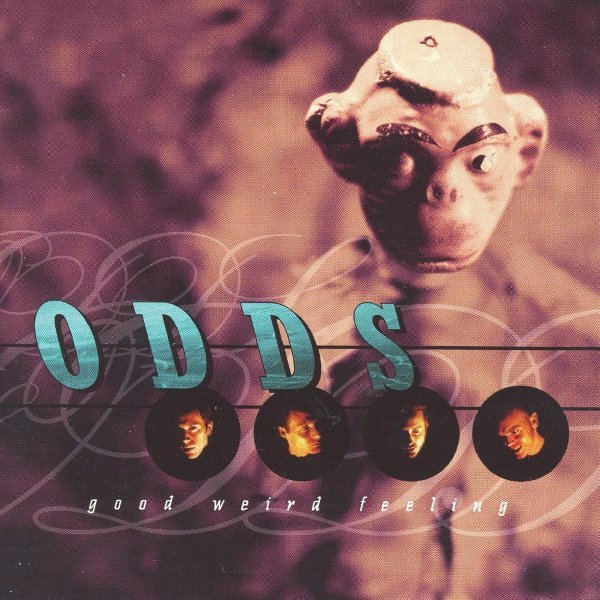
 View Artist