Song Meaning
The lyrics paint a somber picture of a narrator grappling with betrayal and loss, kneeling in a desolate landscape. The opening verse establishes a scene of despair, where the narrator waits for a dawn that feels like a dream amidst "tombstone walls" and "winds of lies." This imagery suggests a profound sense of disillusionment, as if hope itself is buried under falsehoods. The act of kneeling, repeated throughout, signifies a posture of supplication or defeat in the face of overwhelming circumstances.
The central tension arises from the "counted betrayals" that make life unbearable. The narrator acknowledges the other person's awareness of these betrayals, creating a shared burden of knowledge that offers no relief. This isn't just a personal grievance; it's a mutual understanding of a broken reality. The repeated phrase "Nedá se žít" (It's impossible to live) underscores the suffocating weight of these past hurts, making existence itself feel untenable.
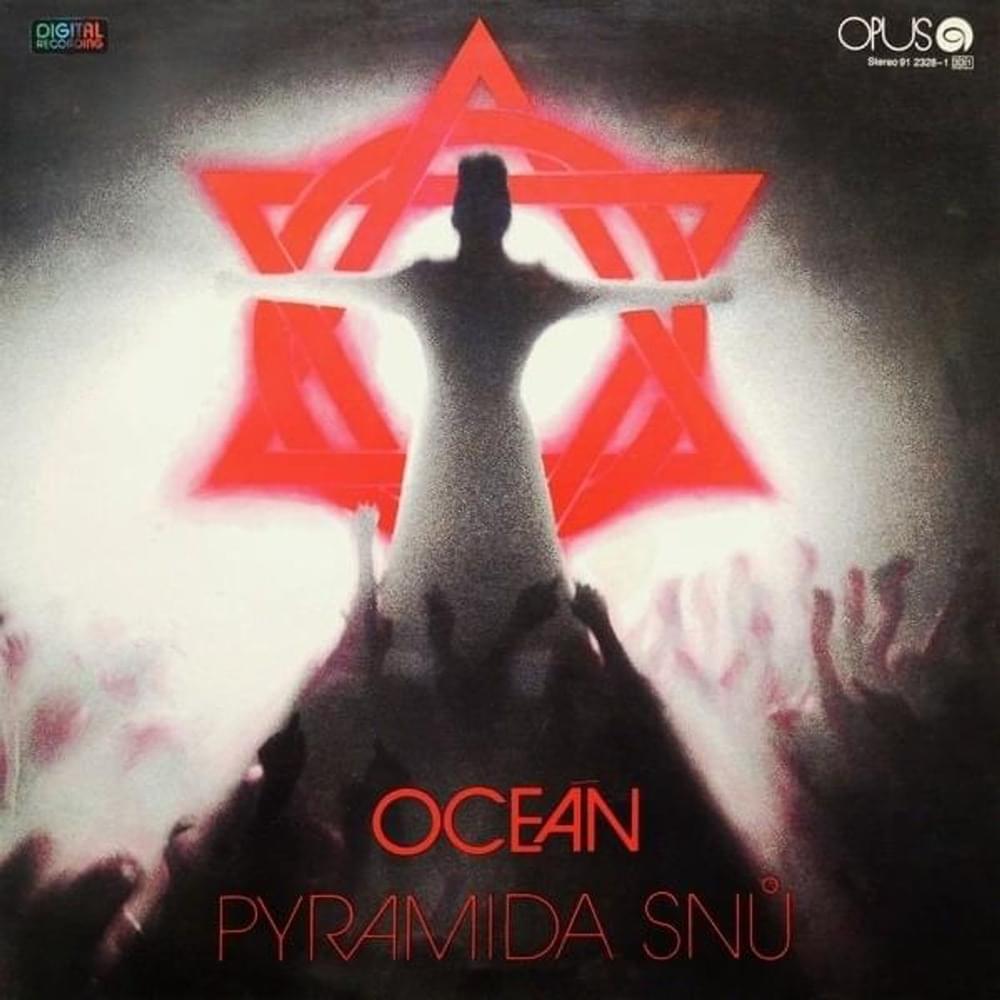
A striking element is the recurring motif of the "pyramid of dreams and bitter, vain lives." This complex metaphor suggests a monumental structure built on both aspirations and the harsh realities of existence, where the other person "hides" something within their heart. The bridge introduces "Osud" (Fate) as a force that defends the "cross of Life," implying a struggle between destiny, suffering, and the preciousness of life's experiences. The hook further emphasizes this hidden burden, with the "surf" covering a smile that conceals the "cross" carried in the heart.
Ultimately, the effectiveness of these lyrics lies in their stark, almost bleak, honesty about enduring pain. The repetition of "Stále jej máš" (You still have it) in the outro, referring to the hidden cross, leaves a lingering sense of unresolved sorrow. The writing doesn't offer easy answers but instead captures the heavy, persistent presence of past wounds and the quiet struggle to carry them, making the emotional weight palpable.
 View Artist