Song Meaning
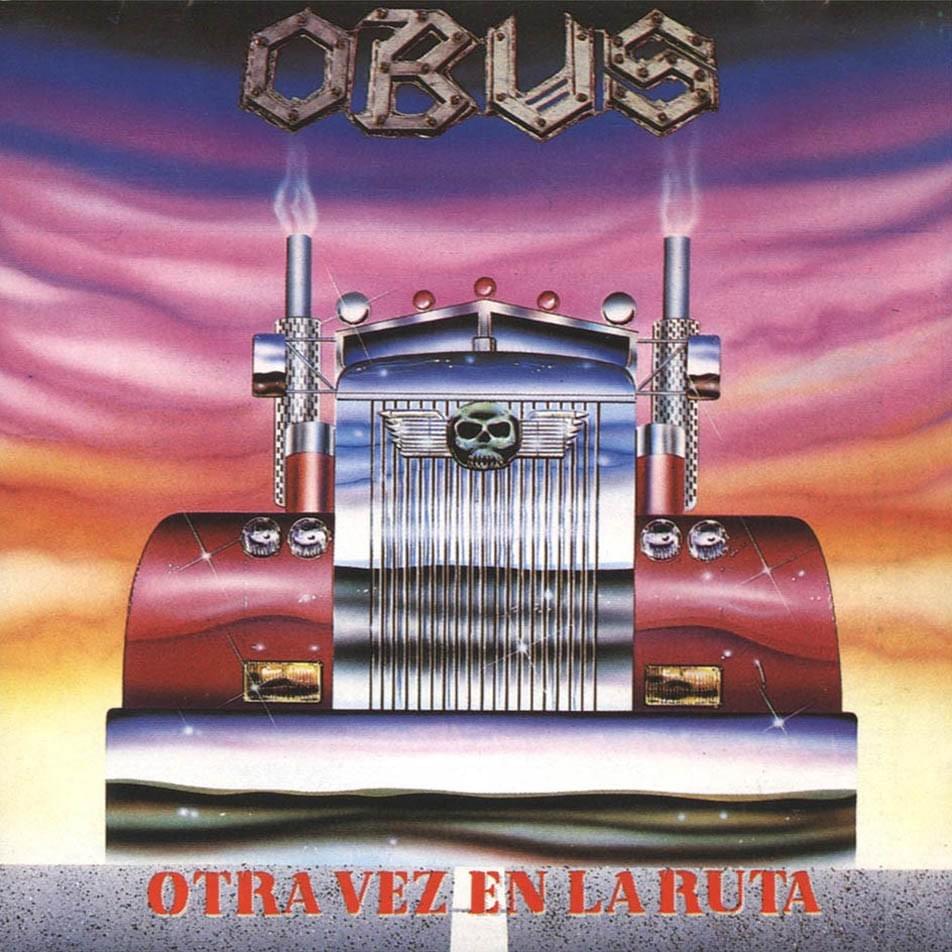
The lyrics paint a stark picture of a life spent on the road, specifically as a truck driver. The narrator declares "Media vida en la ruta" (Half a life on the road), immediately establishing a sense of long-term dedication and perhaps weariness. This isn't just a job; it's the defining characteristic of their existence, punctuated by specific locations like Algeciras and Torrejón, grounding the vastness of the highway in concrete places. The constant vigilance required for the vehicle's mechanics – "el aceite y presión" – is mirrored by a similar, perhaps more fraught, vigilance over a relationship, always kept "en mi retrovisor" (in my rearview mirror).
The central tension arises from the narrator's desires versus the realities of their itinerant lifestyle. They crave simple comforts: "Un cocido casero" (a homemade stew), "Un buen tinto en el porrón" (good wine from a wineskin), and a "cama en la cabina" (bed in the cabin). These are not extravagant wishes, but basic human needs for connection and domesticity, juxtaposed with the transient encounter they seek with "la rubia del stop" (the blonde at the stop). The lyrics suggest a loneliness that the road amplifies, leading to a transactional approach to intimacy where the woman's identity is secondary to fulfilling a specific, immediate need for companionship and release.
What's striking is the narrator's pragmatic, almost detached, approach to this sought-after encounter. They explicitly state, "No me importa su nombre, Su doctrina o profesión" (I don't care about her name, her doctrine or profession). This detachment underscores the functional nature of the interaction they are pursuing; it's about alleviating the solitude and physical strain of the road, not about forming a genuine connection. The repetition of the chorus, "Un lugar donde pasar / Un buen rato antes de cenar / A ver si tú me puedes dar / Lo que pido yo," hammers home this singular, repeated desire, highlighting the cyclical nature of their longing and the specific, limited scope of what they believe the road can offer in terms of solace.
Ultimately, these lyrics resonate because they capture a specific kind of working-class isolation and the coping mechanisms that develop. The narrator isn't seeking grand romance but a momentary respite from the relentless grind of the highway. The craft lies in the directness and the unflinching portrayal of this desire, where the mundane details of truck maintenance blend with the search for a fleeting, uncomplicated human connection. It’s a raw, unvarnished look at a life where the road dictates not just the destination, but the very nature of companionship sought along the way.
 View Artist