Song Meaning
The lyrics paint a stark picture of a group embracing a destructive, almost nihilistic existence. They "live like the dead," suggesting a detachment from conventional life and morality, yet paradoxically, they "rise" from this state, implying a rebirth or awakening through this very detachment. This cycle of death and creation is presented as a deliberate choice, a path they "will not wait" to pursue, driven by an aggressive impulse to "attack."
The central tension lies in the duality of their actions: they "die to create" and "rise" from a state of being "dead," but this creation seems tied to destruction. They observe others "on fire," a potent image of chaos or intense suffering, and their purpose is to "invade" this state, contrasting with a potential role to "protect." This suggests a group that thrives on disruption, finding purpose in overwhelming or consuming existing states of being, rather than preserving them.
The most striking aspect is the stark, almost brutalist language. Phrases like "attack" and "invade" are direct and unadorned, mirroring the group's apparent lack of hesitation or complex motivation. The repetition of "We see what its like to rise" emphasizes a shared, almost communal experience of this awakening, which is then immediately juxtaposed with the aggressive act of invasion. The final line, "The night of those on fire," leaves a chilling impression of a group actively seeking out and engaging with moments of intense crisis or turmoil.
This lyrical approach is effective because it avoids explicit explanation, forcing the listener to confront the raw, unsettling imagery. The aggressive verbs and the cyclical, paradoxical nature of their actions create a sense of potent, albeit dark, energy. The lyrics don't offer comfort or clear narrative; instead, they present a compelling, almost primal, drive that is both alien and strangely magnetic in its intensity.
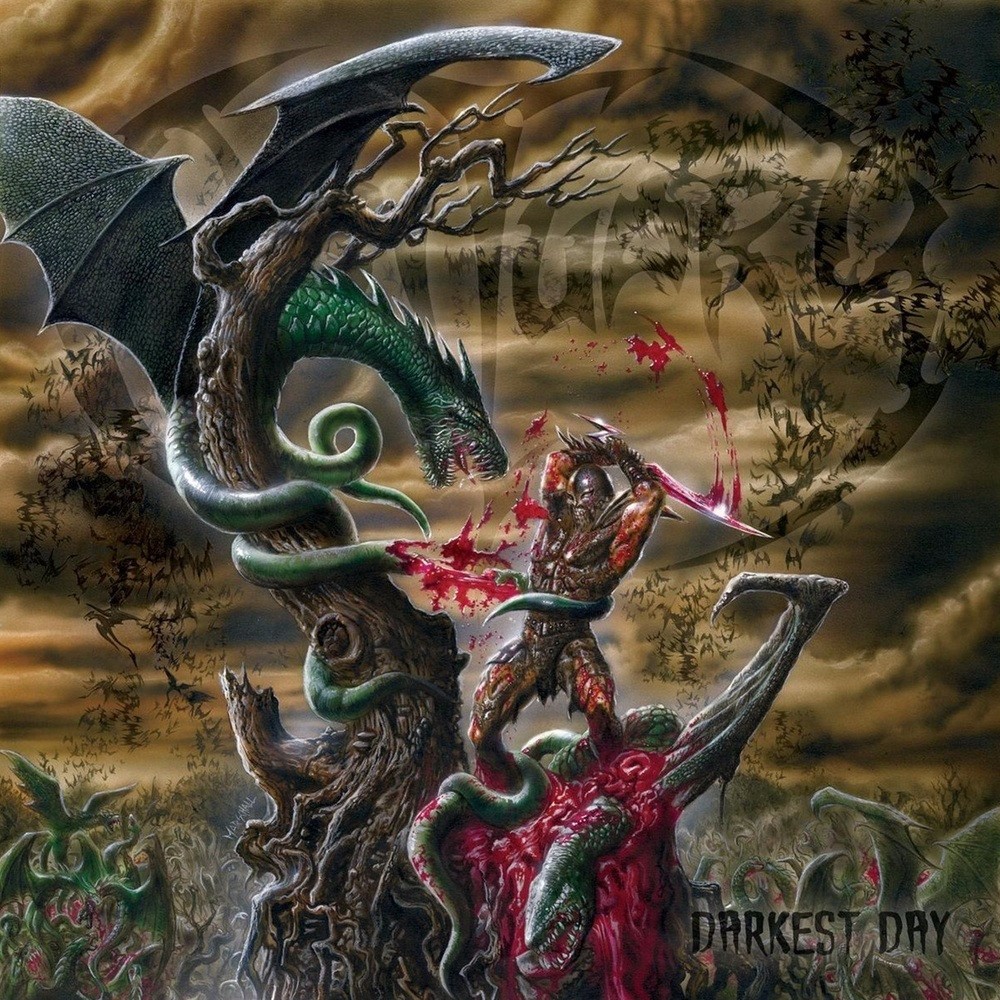
 View Artist