Song Meaning
These lyrics paint a stark, almost abstract picture of mortality and decay. The opening lines immediately establish a grim duality: "Dead / With the rotting one below / Live / Leaving the one who died." This sets up a disorienting contrast between a state of being dead and the act of living, but only by abandoning another who has already succumbed. The repetition of "You" at the end of verses suggests a direct, perhaps accusatory, address, or a final, inescapable focus.
The central tension seems to revolve around a pervasive, inescapable fear of death and the process of decay. Phrases like "Rotting as one" and "Dying of this fear" blur the lines between physical decomposition and psychological dread. The arrival of "Destiny" and "Death" as active entities, with "Now he has come," intensifies this feeling of impending doom. The body's physical reaction, "The body's crying," underscores the primal, visceral nature of this fear.
The most striking aspect of the craft is the stark, fragmented language and the intense focus on contrasting states of being. The juxtaposition of "Dead" and "Live," "Rotting" and "Leaving," creates a sense of existential unease. The lyrics don't tell a story so much as evoke a feeling, using blunt, almost primal words to convey the overwhelming presence of death. The cyclical nature, with "Death is the one" and then "Now he has come," reinforces an inevitable, closing loop.
This lyrical approach is effective because it bypasses narrative and hits directly at a primal fear. The lack of specific context forces the listener to confront the raw emotional weight of mortality and decay. The stark, declarative statements and the unsettling contrasts create a powerful, unsettling atmosphere that lingers, much like the "rotting one below."
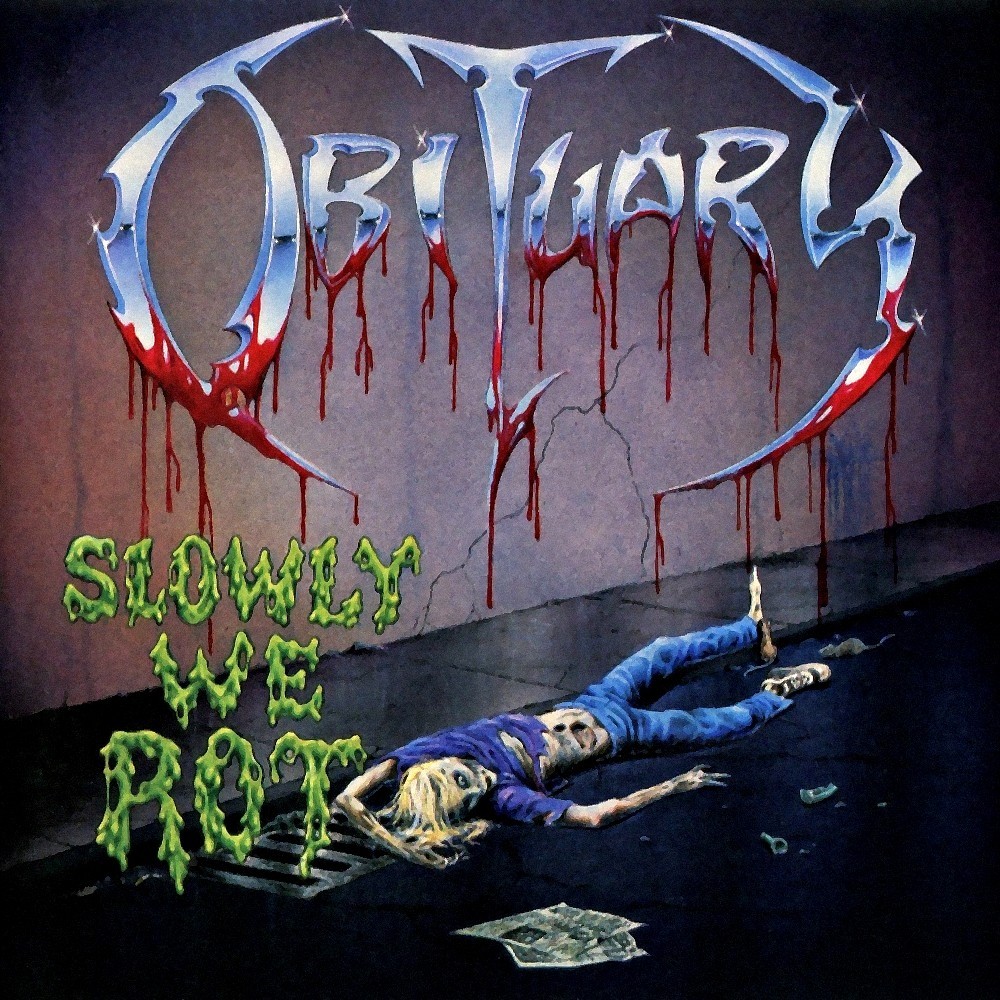
 View Artist