Song Meaning
The lyrics paint a picture of a strained, perhaps cyclical, relationship where one person is repeatedly falling and the other is offering a hesitant, almost resigned, form of support. The opening lines, "And you fell down again / Oh darling let me pick you up," establish a pattern of distress and a conditional offer of help. The insistent repetition of "This time / Last time" underscores a history of similar incidents, suggesting a lack of genuine progress or resolution, and the narrator's plea, "P-P-P-P-Please tell me that you know," hints at a desperate need for acknowledgment or understanding that may not be forthcoming.
The central tension seems to revolve around a communication breakdown and a sense of being trapped in a repeating loop. The narrator's actions in Verse 2 – "throwing my arms / And taking down some paper planes" – are a poignant metaphor for failed attempts or fragile hopes that "crash and they burn / With ease." This imagery suggests a futility in their efforts, mirroring the relationship's instability. The chorus then introduces the "landline" as a fallback, a more persistent, perhaps less intimate, line of communication when the primary one – the phone – is not picked up, implying a disconnect or an unwillingness to engage directly.
The lyrics employ vivid, almost surreal imagery to convey emotional chaos. The person described is "rolling down the stairs like a tumbleweed / In a twister, in the desert, where I won't go." This striking metaphor suggests a chaotic, uncontrolled descent into a desolate and isolated state, a place the narrator feels unable or unwilling to follow. The narrator's own conflicting impulses are revealed: they are told they "gotta leave," yet they also express a desire to "hang up the phone, I'm gonna get up and go," indicating a push-and-pull between wanting to escape the situation and the inertia that keeps them tethered.
Ultimately, the effectiveness of these lyrics lies in their raw portrayal of a relationship teetering on the edge of collapse, characterized by repeated failures and a desperate, almost mechanical, reliance on a secondary channel of communication. The imagery of crashing paper planes and rolling tumbleweeds creates a visceral sense of emotional wreckage, while the repeated refrain of the "landline" serves as a haunting reminder of a connection that is both present and profoundly absent. It captures the feeling of being stuck in a pattern, where offers of help are made, but the underlying issues remain unresolved, leaving a lingering sense of unease and unresolved conflict.
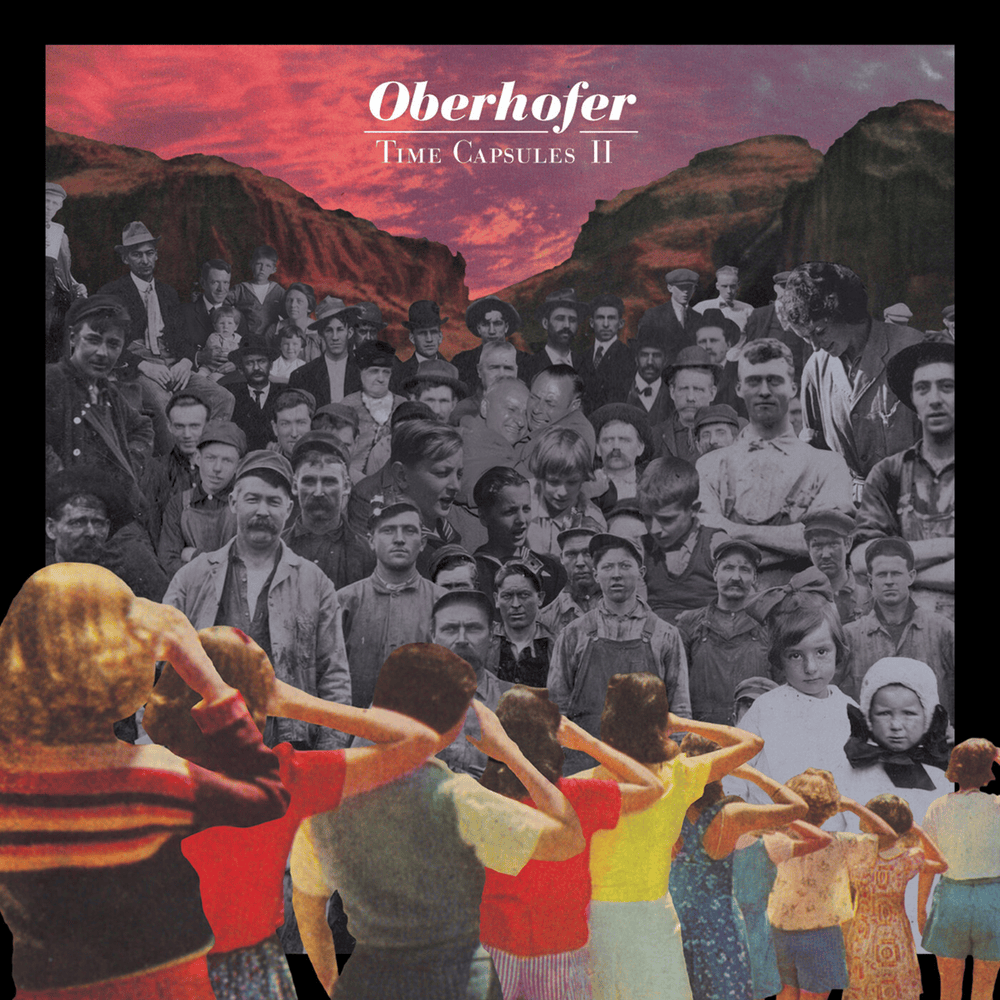
 View Artist