Song Meaning
The lyrics paint a poignant picture of a child seeking solace in fantasy amidst conflict. The moon, personified as "Mr. Moon," becomes a silent, distant confidant, a "castle" in the night sky. This initial image establishes a tone of childlike innocence juxtaposed with an implied "war," highlighting the narrator's isolation and reliance on imagination for comfort. The repeated question, "Mr. Moon why you laughing at me?" immediately introduces a sense of bewilderment and perceived mockery from this celestial observer.
The central tension arises from the narrator's plea for understanding and the moon's seemingly indifferent, even amused, reaction to their plight. The lines "You cannot blame us for lying to you / You cannot blame us for crying to you" suggest a complex relationship where the narrator confesses to deception and sorrow, yet feels judged rather than comforted. This creates a feeling of being misunderstood by even the most fantastical of allies, intensifying the sense of loneliness.
The most striking aspect of the craft is the consistent personification of the moon and the shift in its perceived demeanor. Initially a comforting presence, it becomes a source of confusion and hurt. The contrast between the "wiser man" who "looks back upon his days" and the child's immediate, present-tense distress underscores the developmental gap in coping mechanisms. The lyrics cleverly use the moon's distance as a metaphor for emotional detachment, making its perceived laughter sting even more.
Ultimately, the effectiveness of these lyrics lies in their ability to capture a universal feeling of seeking answers from an unresponsive universe. The narrator's journey from seeking comfort to a defiant "It's time we laughed at you" signifies a powerful emotional arc. This final turn suggests a growing resilience, a reclaiming of agency where the perceived judgment of the moon is finally met with its own form of defiance, transforming helplessness into a nascent strength.
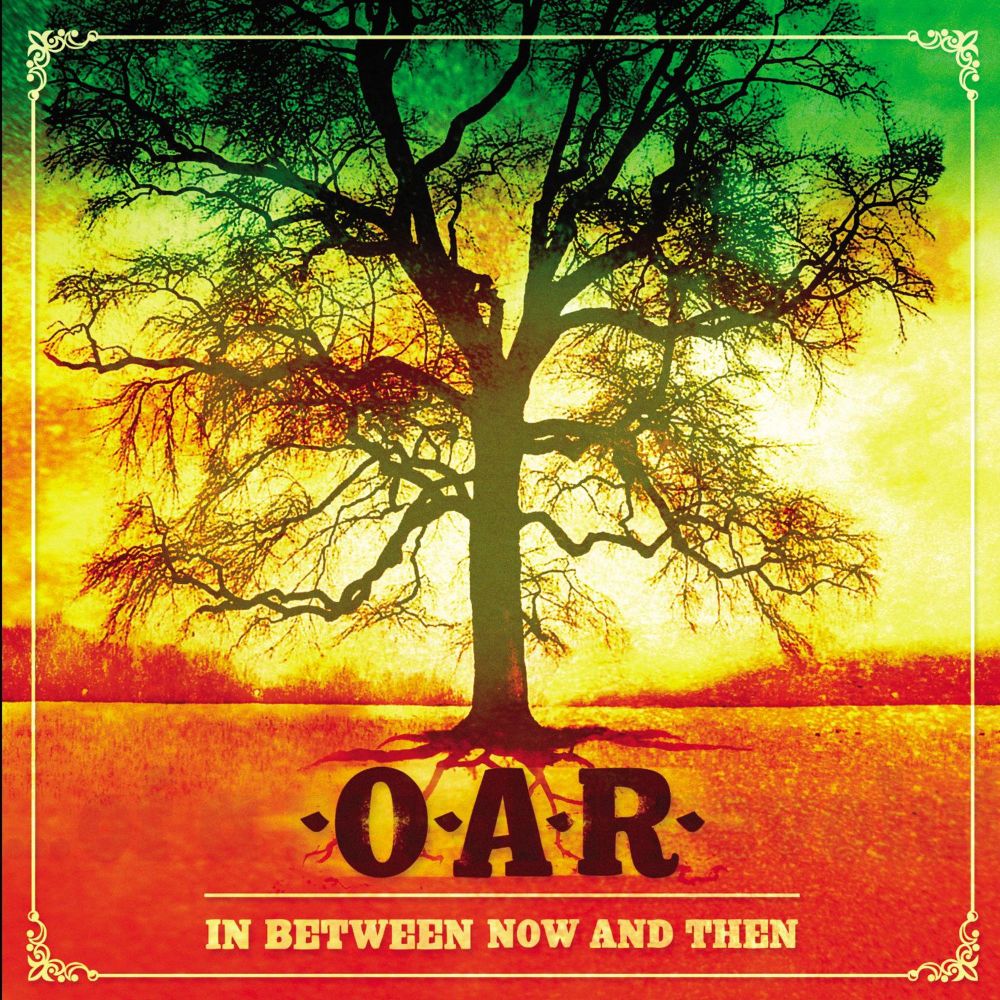
 View Artist