Song Meaning
The lyrics paint a picture of a present moment that feels fundamentally altered, a stark departure from what came before. The repeated phrase "Esse tempo não é mais o mesmo" (This time is no longer the same) hammers home a sense of irreversible change, creating a palpable atmosphere of unease and disorientation. This isn't just a fleeting feeling; it's presented as a persistent, overwhelming reality.
The core tension seems to lie in the inability to grasp or fully understand this transformed present. The narrator repeatedly urges the listener to "Volte na próxima semana pra ver melhor" (Come back next week to see better), suggesting that clarity is elusive and perhaps only time will reveal the true nature of these changes. This creates a sense of anticipation mixed with apprehension, as if something significant is unfolding just beyond comprehension.
The most striking aspect of the craft is the sheer, almost hypnotic repetition. The phrase about time changing is hammered home, while "Tudo, tudo, tudo..." (Everything, everything, everything...) emphasizes the pervasive and all-encompassing nature of this shift. The warning "Não vá brincar com fogo aqui" (Don't go playing with fire here) adds a layer of danger, implying that this new reality is volatile and potentially destructive. The lyrics suggest that navigating this altered landscape requires caution and a willingness to wait for understanding.
This deliberate use of repetition and vague warnings creates a powerful emotional effect. It mirrors the feeling of being stuck in a situation that's hard to define but feels significant and potentially perilous. The insistence on returning later for clarity, rather than offering immediate answers, leaves the listener with a lingering sense of mystery and a feeling that the world has indeed shifted, leaving them to ponder what comes next.
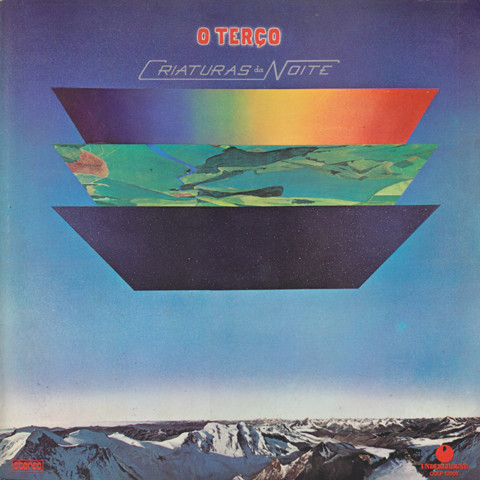
 View Artist