Song Meaning
The speaker immediately declares a deep affection for "gente do interior," or people from the countryside. These are individuals defined by a particular, intense way of loving. Their emotional landscape feels both steadfast and profoundly simple, an admiration for a grounded, authentic existence.
What truly captures the listener is the narrator's description of their love: "É amor pra sempre." This isn't a simple declaration but a powerful statement of absolute commitment, implying a love so profound that once given, it endures eternally. The follow-up, "não se desfaz," further anchors this idea, suggesting an emotional permanence that resists erosion and cannot be undone.
The lyrics paint a vivid picture of these individuals through sensory details and symbolic imagery. We see them connected to the earth, experiencing "pés descalços no chão," suggesting a life lived in harmony with nature. This grounding appears to grant them an innate wisdom, allowing them to "conhece a hora certa." The recurring motif of openness, seen in the "luz da porta aberta" and their "sempre aberto o coração," suggests a welcoming spirit and an unreserved emotional honesty.
Ultimately, these lyrics craft an idealized yet deeply resonant portrait of a certain kind of person. The direct, unadorned language, combined with striking paradoxes and evocative natural imagery, makes their emotional world feel incredibly tangible. It's effective because it taps into a longing for a love that is both fiercely permanent and openly expressed, rooted in a life lived with genuine connection and an unshakeable sense of self.
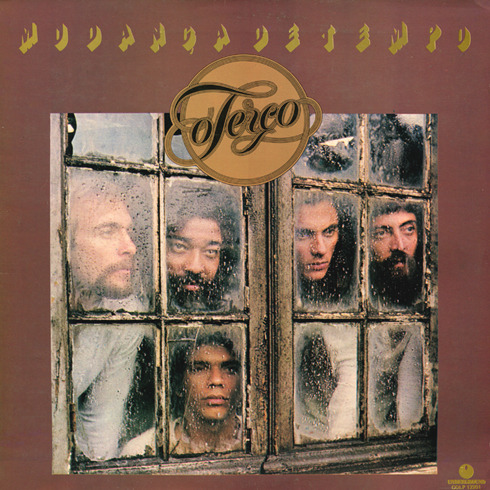
 View Artist