Song Meaning
The lyrics open with a stark image: "Sou uma criança que ainda não sorriu." This immediately conveys a profound sense of unfulfilled innocence and deep weariness. The speaker is "cansado e sem encontrar" a peace so desperately sought that it's repeated four times, an almost incantatory plea.
This profound longing for peace creates a central tension with the speaker's vulnerable offering. "Meu corpo é o aberto caminho / Para você descobrir," they declare, presenting themselves as an exposed landscape. Yet, this path is also an "Estrada deserta esperando / Você pra poder resistir," which introduces a fascinating paradox. It seems the speaker is waiting for someone not to join or embrace, but to *resist*—perhaps the path itself, or the weight of the speaker's own vulnerability.
The most striking craft element arrives with a sudden shift in perspective. From the singular "I," the lyrics transition to "Somos crianças podemos sorrir / Somos crianças e vamos partir." This brief, hopeful collective moment suggests a shared potential for joy, a stark contrast to the opening line. However, this shared smile is immediately tempered by the inevitability of departure, hinting at the transient nature of connection or relief.
Ultimately, the lyrics' power lies in their raw honesty and cyclical structure. Returning to the initial lament, the repetition of "Sou uma criança que ainda não sorriu" underscores the enduring nature of the speaker's core state. The evocative imagery, combined with the intriguing ambiguity of resistance, creates a deeply resonant portrayal of longing, vulnerability, and the elusive search for peace.
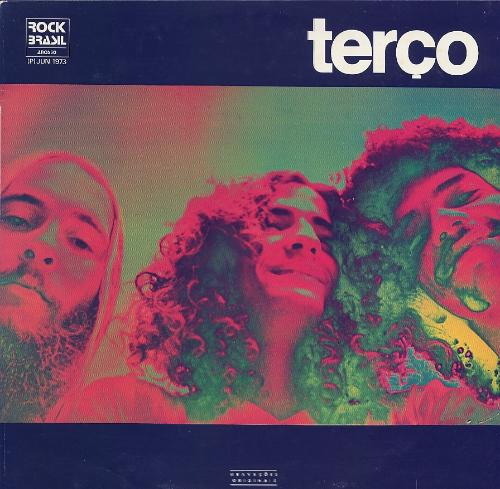
 View Artist