Song Meaning
The lyrics paint a picture of a desperate turn to dark magic, framed by a sense of inevitability and a lack of preparation. The opening lines suggest that a rush towards fear is common, and secrets are universally known, setting a tone of foreboding. This atmosphere is amplified by phrases like "pó de feitiço" (spell powder) and "magia infernal" (infernal magic), hinting at a ritualistic and potentially dangerous practice.
The central tension arises from the narrator's apparent unpreparedness for a dire situation, leading them to seek solace or a solution in "bruxaria" (witchcraft). The repeated assertion that "bruxaria foi remédio melhor / P'ra dor" (witchcraft was a better remedy / For pain) underscores a profound desperation, suggesting that conventional means have failed or are insufficient. This implies a surrender to the supernatural as a last resort.
The imagery of "Vozes finas de mulher" (thin voices of women), "Vela, Castiçal" (Candle, Candlestick), and "Seda pura, manequim ideal" (pure silk, ideal mannequin) evokes a specific, almost theatrical, setting for this ritual. These elements contribute to the sense of an "início de ritual" (beginning of a ritual), a carefully constructed, albeit dark, ceremony. The repetition of "Magia de ritual" reinforces the focus on the process and its inherent power.
Ultimately, the lyrics are effective because they capture a raw, almost primal, response to suffering. The contrast between the mundane acknowledgment of fear and the extreme embrace of "Cabala negra" (black cabala) creates a powerful emotional arc. The narrator's admission of not preparing for the worst, coupled with the conviction that witchcraft is the superior remedy, leaves a lasting impression of someone driven to the edge, finding a grim efficacy in the forbidden.
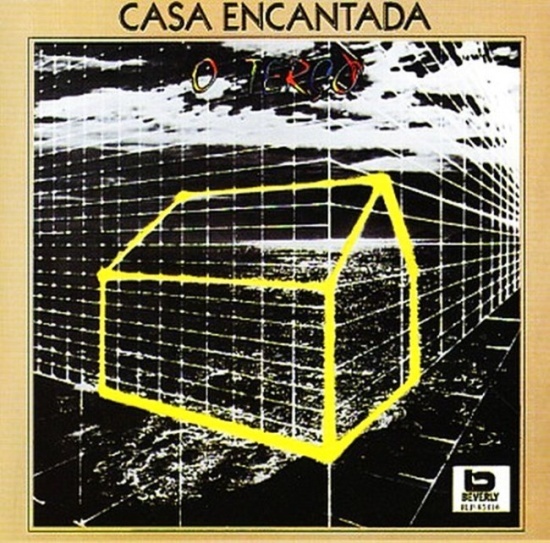
 View Artist