Song Meaning
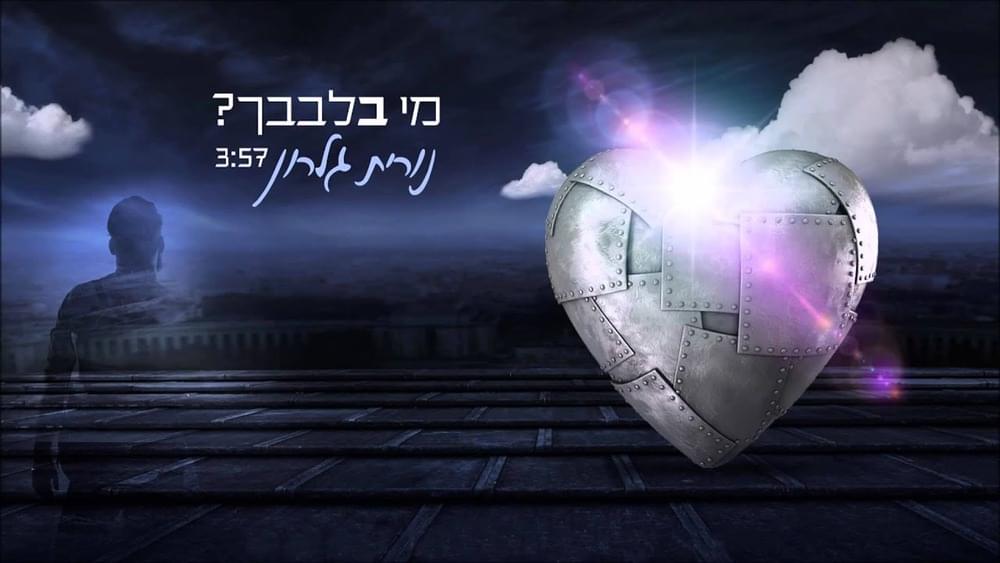
The lyrics pose a series of profound, almost existential questions about belonging and divine favor. The repeated interrogative "מי" (who) acts as a persistent, searching voice, directly addressing an unseen entity or perhaps the listener's own conscience. The initial verses establish a pattern of seeking access to a sacred space, asking "Who will dwell in Your tent?" and "Who will ascend Your holy mountain?" This framing immediately sets a tone of earnest inquiry, a desire to be recognized and accepted within a place of holiness or significance. The repetition of "מי, מי בלבבך?" (Who, who is in Your heart?) drives home the central tension: the yearning to be held in favor, to be known and cherished by the divine or a divine presence.
As the song progresses, the imagery shifts from the static sanctity of a dwelling and mountain to the dynamic, challenging journey of life. The third stanza introduces harsh external conditions: "The sun will strike the heads of those walking" and "Darkness will fall on paths, and we will become lost." This stark contrast between the harshness of the world and the desire for sanctuary highlights the precariousness of existence. The questions then become more urgent: "Who will walk in Your shade wherever they go?" and "Who will walk with you long?" These lines suggest a need for protection and guidance through life's trials, implying that true belonging means finding solace and steadfast companionship amidst hardship.
The effectiveness of these lyrics lies in their relentless, simple questioning and the potent imagery of contrast. The direct address and the repeated, almost pleading, "מי, מי בלבבך?" create an intimate yet universal plea for acceptance and security. The shift from seeking entry into a holy place to seeking shade and companionship on difficult paths powerfully articulates a fundamental human desire: to be seen, protected, and loved not just in moments of peace, but through the very act of living and enduring. The lyrics don't offer answers, but the act of asking, framed with such evocative imagery, resonates deeply.
 View Artist