Song Meaning
The lyrics open with a plea for simplicity, asking to be taught "the simple song of bread" and to be given a portion of peace. The narrator wants to be taken as they are, "with the dust of the everyday on my shoulder," when they stand before a higher presence. This initial request sets a tone of humility and a desire for grounding amidst life's complexities.
The core tension emerges from the narrator's past experiences and present realization. They recall a time of allowing their "barefoot feeling to float," suggesting a period of uninhibited emotion or perhaps naivete. Now, they acknowledge that their path "twisted and turned," and from a "great height," their head is bowed, indicating a profound understanding gained through difficult journeys that has led them to this point of introspection and perhaps regret.
A striking craft element is the recurring contrast between "Sabbath eyes" and "weekday eyes." This juxtaposition highlights how perception and experience can shift depending on context or spiritual state. The narrator seems to be asking for a unified vision, one that can hold both the sacred and the mundane, the light and the shadow, within their life and perhaps within the life of the "you" they address. The repetition of "my life and your life / lights and shadows / contain" emphasizes this shared human experience.
Ultimately, the effectiveness of these lyrics lies in their raw, honest portrayal of personal growth through hardship. The simple, almost prayer-like requests for peace and a basic understanding of life's essentials, juxtaposed with the acknowledgment of a complex, winding path, create a powerful emotional resonance. The narrator's bowed head and learned wisdom, expressed through the imagery of dust and shifting perspectives, make the plea for a "simple song" deeply affecting.
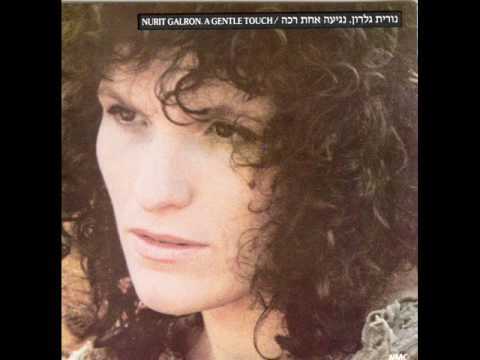
 View Artist