Song Meaning
The lyrics paint a visceral picture of intense physical exertion and its immediate aftermath, contrasting the raw, almost violent energy of the night with the stark reality of the morning after. The opening lines, with their focus on "veins swelling" and "sweat good," establish a palpable sense of physical struggle or passion. Yet, the narrator immediately pivots, stating, "But the song is about the morning after," shifting the focus from the peak experience to its lingering consequences.
The central tension lies in the inescapable arrival of this "morning after," which is presented not as a peaceful dawn but as a looming presence. The lyrics describe how "dark magic recedes slowly" and "he stands at the door, no escape from his face," suggesting a sense of dread or a difficult truth that cannot be avoided. This morning is characterized by a disorienting, dreamlike state, where "walls trembled slowly" and they "spun, floated like in a slow-motion film," before the inevitable arrival.
A striking element is the juxtaposition of the intense, almost primal connection described in the second half – "flesh to flesh and almost another night," "neck to neck" – with the mundane, almost clinical details of the morning routine. The image of "scrambled eggs, brewed coffee, two burnt toasts, a crumpled newspaper" grounds the experience in a domestic reality that feels jarring after the preceding intensity. The act of changing sheets and bathing becomes a ritual of cleansing, separating "your flesh, and your flesh – you," hinting at a need to compartmentalize or distance oneself from the night's events.
This lyrical approach is effective because it grounds abstract emotional states in concrete, sensory details. The contrast between the feverish night and the quiet, almost sterile morning creates a powerful emotional resonance, capturing the complex feelings that can follow intense intimacy or exertion. The final question, "What will the morning after bring?" leaves the listener with a sense of lingering uncertainty, reflecting the often ambiguous emotional landscape that follows such profound experiences.
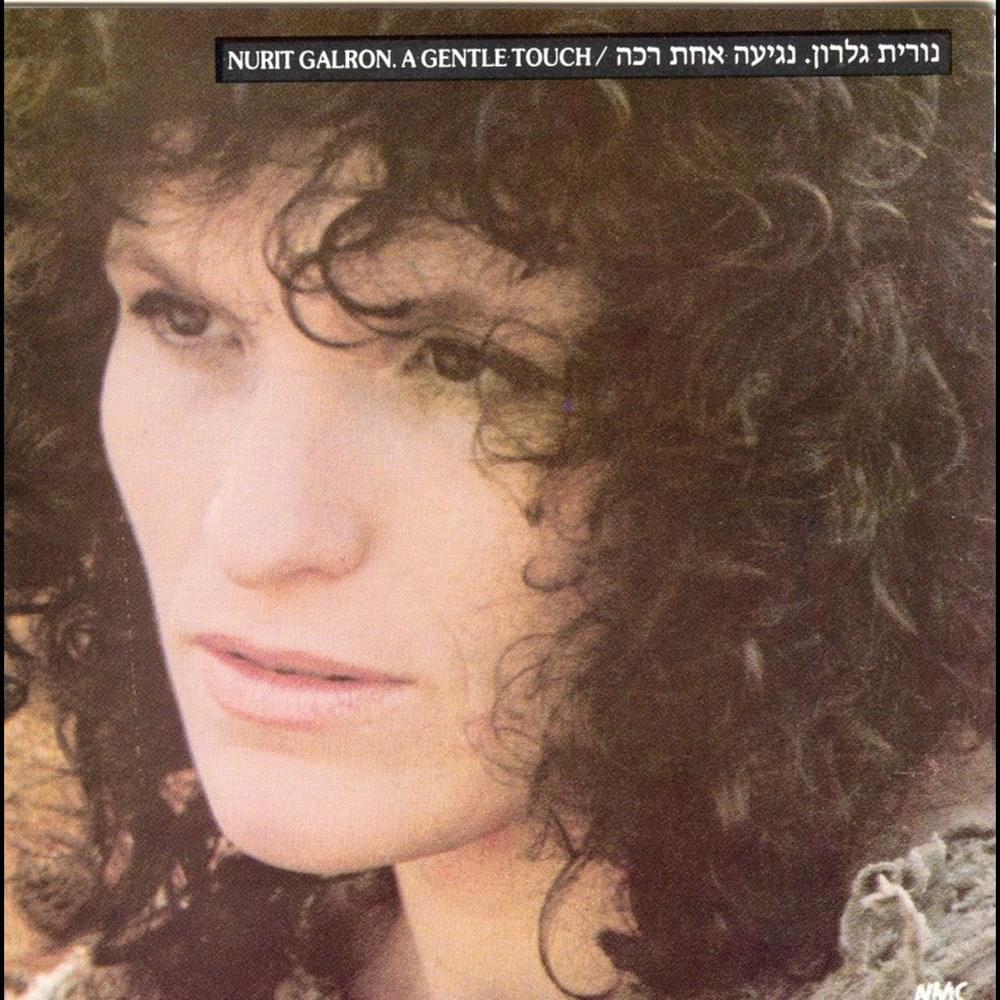
 View Artist