Song Meaning
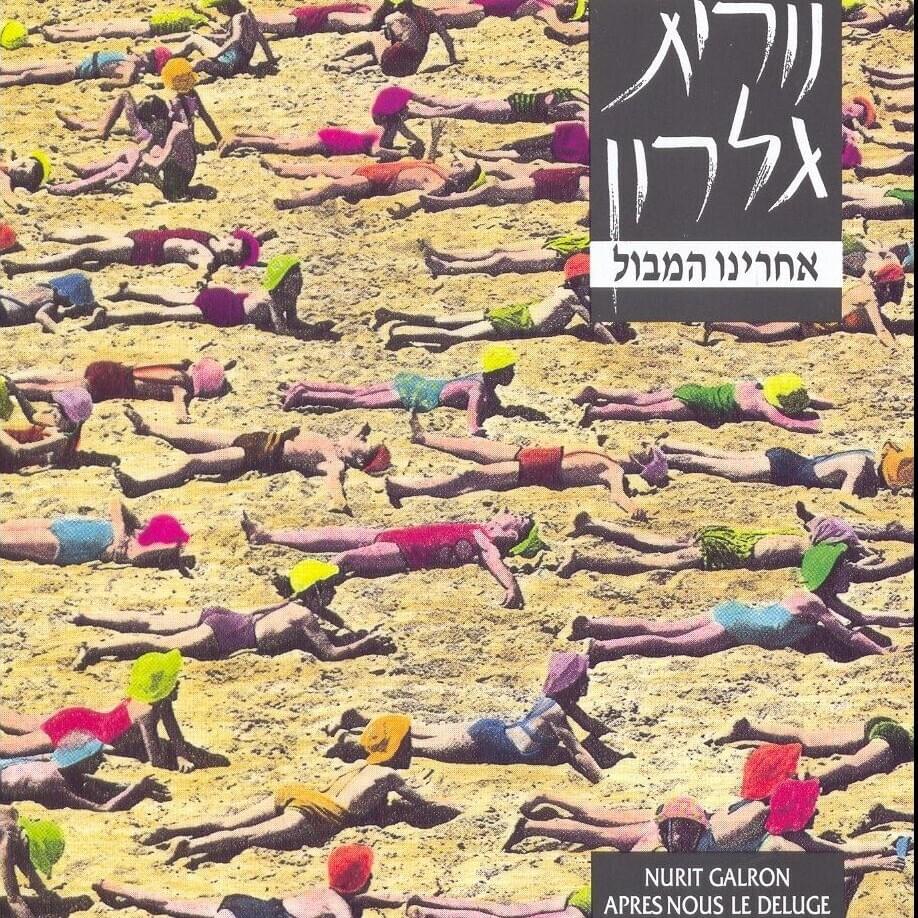
The lyrics paint a stark picture of willful ignorance, personified by the "בת יענה" (Bat-Ye'ena), which translates to Ostrich. The repeated question, "איפה הראש שלך נמצא?" (Where is your head located?), immediately establishes the central theme: a refusal to acknowledge present danger. The "רוחות כבדות" (heavy winds) and a "בית בסכנה" (house in danger) suggest an external crisis, yet the Ostrich's eyes "לא רואות" (do not see). This isn't just a lack of awareness; it's an active, almost absurd, choice to remain oblivious.
The core tension lies between the undeniable reality of impending doom and the Ostrich's desperate, yet futile, attempts to escape it. The "שדות שרופים" (burnt fields) and the realization that "גם לך כבר אין מקום לנבור" (you too have no place left to burrow) highlight the inescapable nature of the crisis. The narrator directly confronts this, urging the Ostrich to "קומי מתחי את צווארך!" (Get up, stretch your neck!) and "הוציאי את הראש מתוך האדמה!" (Take your head out of the ground!). This plea underscores the tragic absurdity of hiding when the threat is already at the doorstep, "מגיע אל סף דלתך!" (reaching your doorstep!).
The most striking element is the narrator's own mirroring of the Ostrich's behavior. "גם אני טומנת ראש בחול / רק לא לשאול" (I too bury my head in the sand / Just not to ask) reveals a shared coping mechanism, a collective denial. This admission shifts the perspective from an external critique to an internal one, suggesting that this ostrich-like behavior is not isolated but a pervasive human tendency. The lyrics powerfully convey that hiding from problems, calling it "בחירה חופשית" (free choice), is ultimately "בריחה כל כך טיפשית" (such a foolish escape), leading only to a deeper, more profound ignorance.
 View Artist