Song Meaning
The lyrics paint a stark, recurring nightmare. A lone bird's cry echoes over a hostile city, marked by a red stone and a persistent, yellow passerby. This figure, a recurring motif, carries sand, a flag, and a wall, embodying a sense of displacement and perhaps confinement. The repetition of "always the same" ("תמיד אותה") underscores the inescapable, cyclical nature of this bleak internal landscape. The yellow passerby, described twice, feels like a fixed, almost spectral element within this oppressive dreamscape.
The central tension arises from the contrast between this suffocating, unchanging reality and a sudden, unexpected shift. The dreamscape abruptly transforms, moving from the oppressive city to a patch of "black earth" ("אדמה שחורה"). This stark change in setting suggests a potential break from the established torment, a moment of unexpected freedom or transformation.
The most striking craft element is the juxtaposition of static, oppressive imagery with dynamic, almost elemental forces. The "yellow passerby" with "sand and flag and wall" feels heavy and grounded in a negative way, while the shift to "bells in the wind" ("פעמונים ברוח") and a "boy rolling from the wall" ("נער מתגלגל אלי מן החומה") introduces movement and a sense of release. The boy's hands holding "whirlwinds and a board" ("מערבולות ולוח") further amplifies this feeling of chaotic, untamed energy, a stark contrast to the static elements of the earlier part of the dream.
This lyrical construction is effective because it mirrors the disorienting yet potent experience of a vivid dream. The initial, oppressive repetition creates a sense of dread, making the sudden, almost violent eruption of new imagery feel both surprising and deeply resonant. The shift from confinement to chaotic freedom, however brief, offers a powerful emotional arc that captures the unpredictable nature of the subconscious, leaving the listener with a sense of lingering unease and wonder.
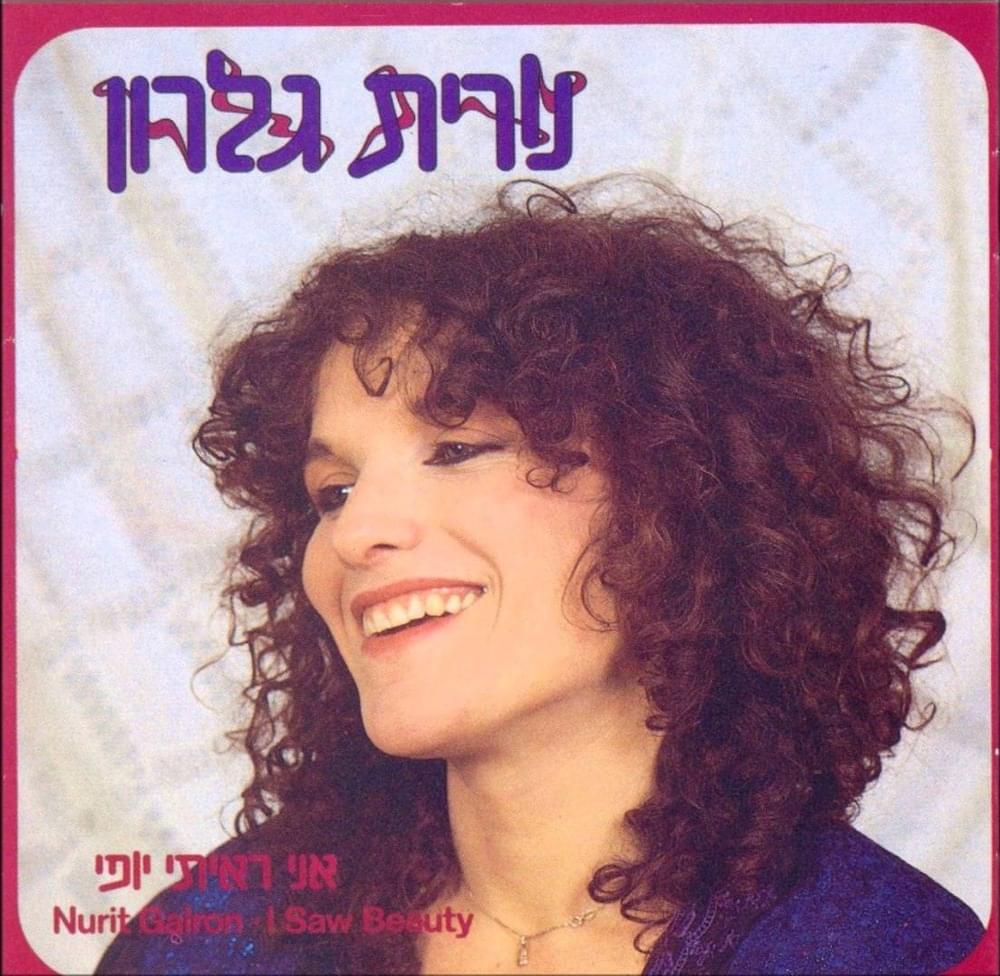
 View Artist