Song Meaning
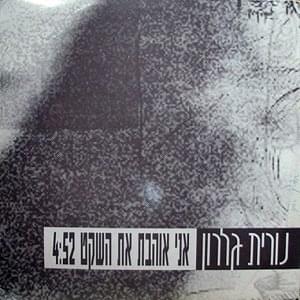
The lyrics paint a picture of someone who claims to love the quiet left behind after a person's departure, but this affection is complex and tinged with a darker fascination. The narrator repeatedly states "I love the quiet that remains after you," alongside seemingly contradictory affections for things trampled or left empty by this person's presence. It's a declaration of love for the void, the remnants, and the absence, suggesting a deep, almost obsessive connection to the person who is no longer there, even as they are gone.
The central tension lies in the narrator's oscillation between embracing the silence and acknowledging the disruptive force of the person's past actions. They love the "noise that travels before you" and the "grass that's trampled by your feet," indicating a simultaneous attraction to the person's impact and the resulting emptiness. This duality suggests that the narrator's love for quiet is not a simple preference for peace, but rather a way to process and hold onto the memory and essence of the departed individual.
The most striking craft element is the deliberate juxtaposition of peaceful imagery with unsettling declarations. The narrator professes love for "death" and "your insurance," alongside "your name and all your assets." This jarring combination elevates the lyrics beyond a simple breakup song, hinting at a profound, perhaps unhealthy, fixation on the person's entire existence, including their mortality and material legacy. The repetition of "I love the quiet" acts as a mantra, attempting to solidify a feeling that is clearly more turbulent.
Ultimately, the effectiveness of these lyrics stems from their unsettling honesty about how absence can amplify presence. The narrator's fear of the "quiet that you leave behind" in the final lines reveals the true emotional core: the silence is not a comfort, but a terrifying reminder of the person's immense, frightening impact on their life. The writing masterfully uses the language of love to describe a relationship with absence, making the listener question the nature of attachment and memory.
 View Artist