Song Meaning
The lyrics paint a stark contrast between two realities: a nation grappling with conflict and a vibrant, hedonistic Tel Aviv. One side is described as a "country of stones and Molotov cocktails," a place of "rebels" tending to wounds. This is juxtaposed with Tel Aviv, depicted as "burning with clubs and debauchery," a city "celebrating, living, eating, and drinking." This immediate dichotomy sets up a powerful tension between the harshness of conflict and the desperate pursuit of pleasure.
The narrator actively rejects engagement with the suffering described. They plead, "No, don't tell me about a girl / Who lost her eye," and "I don't have the strength for depressed and tormented types." This isn't just a preference for escapism; it's a deliberate shutting down of empathy, driven by the overwhelming pain it causes: "It just makes me feel bad, bad, bad." The narrator's focus is solely on self-preservation through denial and immersion in immediate gratification.
The most striking aspect is the narrator's embrace of a "Tel Aviv life" as an antidote to a world in turmoil. They dismiss concerns about "what's done in the territories," "prisoners and rebels," and "moralistic and righteous types." Instead, the call is to "make love, live life" and "swallow the bustling streets of Tel Aviv." This suggests a conscious choice to ignore the broader national pain, prioritizing personal experience and sensory pleasure, even if it means embracing a potentially superficial existence.
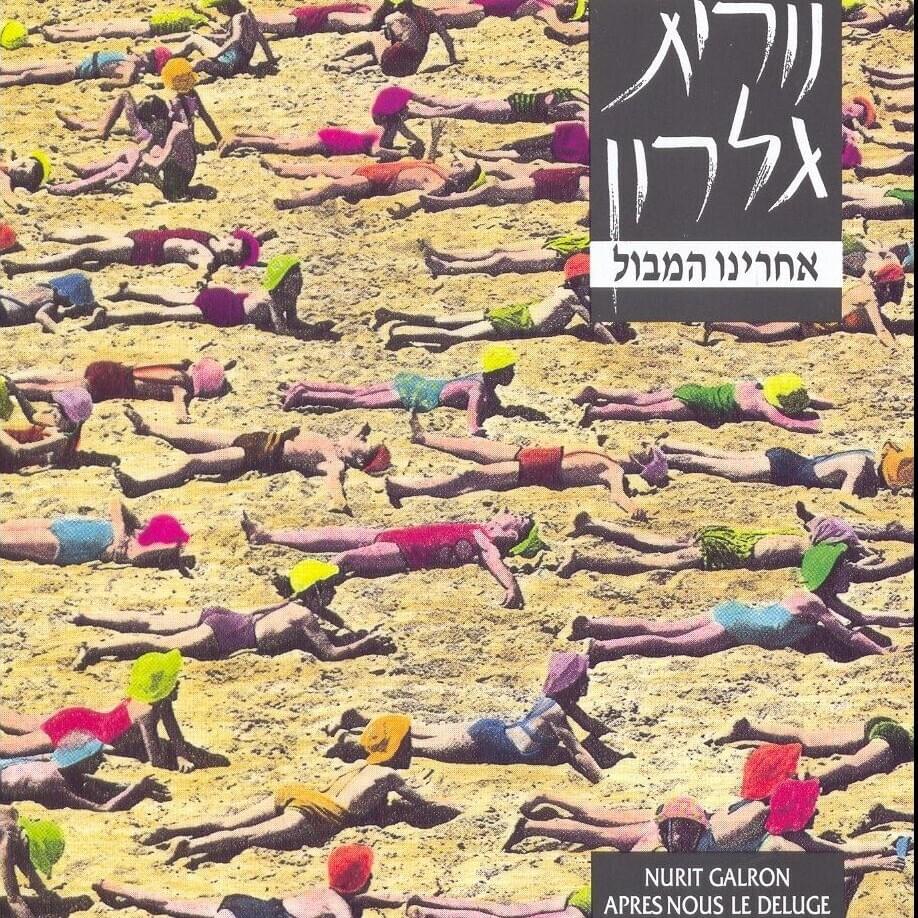
This deliberate turning away from difficult truths, while perhaps understandable on a personal level, creates a profound sense of unease. The repeated refrain about feeling "bad, bad, bad" highlights the internal cost of this denial. The final line, "After us, the flood," encapsulates the narrator's nihilistic outlook: if the world is already burning, why not indulge in the present moment, regardless of the future consequences? It’s a powerful, albeit bleak, commentary on coping mechanisms in the face of overwhelming conflict.
 View Artist