Song Meaning
The lyrics paint a picture of a group, referred to as "we," who acknowledge their role in disappointing someone else. There's a sense of regret, as the narrator repeatedly offers an "I'm sorry." The initial lines suggest a perceived falseness in the other person's portrayal of themselves or a situation, with "we" admitting to being the agents of that disruption. This disruption isn't malicious but seems to stem from an unavoidable consequence of "we's" existence or actions.
The central tension lies in the conflict between an idealized perception and a harsh reality, a reality that "we" are responsible for revealing. The narrator acknowledges the sadness of this revelation but frames it as a necessary step toward renewal for the other person. The phrase "die to yourself" suggests a radical shedding of old ways of thinking or being, implying that the disappointment caused by "we" is a catalyst for profound personal change.
The repeated assertion, "We are the promises" and "We are everything you have heard about a no show," is a powerful way to define "we" through the lens of expectation and failure. It's not just that they failed to meet expectations; they embody the very concept of broken promises and unfulfilled potential. This self-definition, delivered with a mix of apology and resignation, highlights the complex emotional weight of being perceived as a source of disappointment.
Ultimately, the effectiveness of these lyrics comes from their unflinching, albeit apologetic, confrontation of a difficult truth. The narrator doesn't shy away from their perceived culpability but also offers a path forward, suggesting that the pain they've inflicted is a necessary precursor to growth. The stark contrast between the "picture" painted and the "no show" reality creates a resonant emotional core.
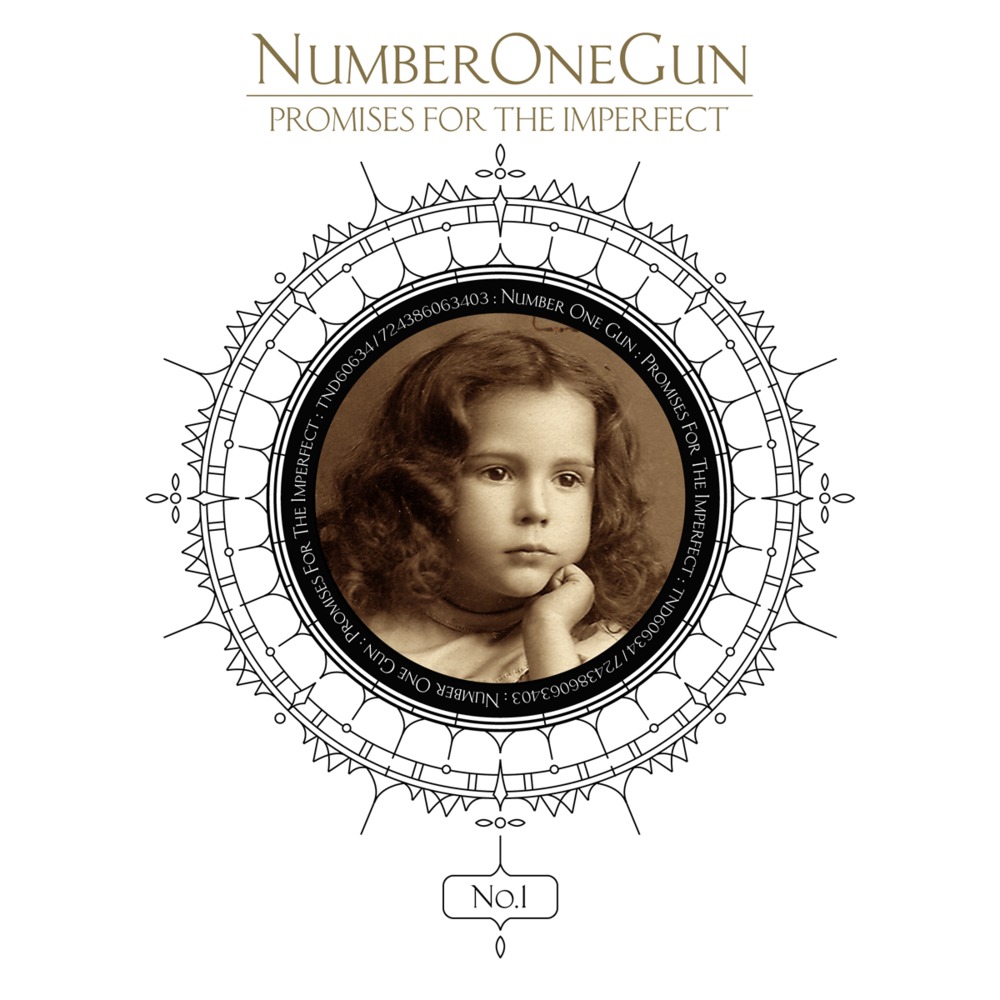
 View Artist