Song Meaning
Phil Keaggy's "Another Try" isn't just a plea for reconciliation; it's an autopsy of regret, laid bare with the vulnerability of a man who's finally understood the magnitude of his loss. The opening lines, seemingly casual—"How have you been? Lovely to see you"—quickly unravel into a confession of profound emptiness. This isn't a simple 'I miss you'; it's an admission of a gaping hole, a need that only the estranged other can fill. The repetition of "empty," "lonely," and "I need you only" drills down to the core of his emotional dependency, a stark contrast to the self-assured figure he likely presented during the initial departure. The line “I give you the keys / So do as you please” is particularly telling; it's a complete surrender of control, an offering of autonomy to the one he previously dismissed. Keaggy isn't just asking for forgiveness, he's offering a blank slate, a chance for the other person to rewrite their shared narrative.
The song meaning deepens as Keaggy revisits the past. His recollection of the separation is laced with guilt: "I can recall the place where I left you / You gave me no reply." He acknowledges his deafness to her pain (“Your tears as I waved goodbye”), painting a picture of a man blinded by ego or perhaps a misguided sense of independence. This wasn't a mutual parting; it was a dismissal, a rejection of her unspoken pleas. The weight of this realization fuels the urgency of his present appeal. The shift in perspective is palpable.
However, the most poignant aspect of "Another Try," analyzed through a psychological lens, is the implied work the speaker has undertaken. The lyrics, “I’ve changed my heart now / I’m willing to go your way / And I couldn’t part now / With you for a single day,” are not just words; they suggest a fundamental shift in his values, a willingness to prioritize connection over ego. The repeated lines “I’ve been waiting / For so long to get right with you” underscore a period of reflection and growth, a recognition that ‘getting right’ with another person is not about winning or losing, but about mutual understanding and shared commitment. The final, desperate plea - "But don't ever let me go" - reveals the core fear driving this song: the fear of repeating past mistakes and losing connection again.
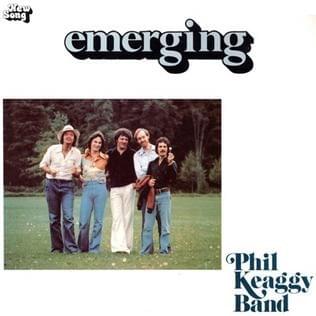
 View Artist