Song Meaning
The lyrics paint a stark picture of a character named Ali, who seems to be on the verge of a violent act, possibly a shooting. The opening lines establish a sense of impending doom and Ali's determined, almost defiant, posture: "Namluna dayanır yola düşersin / Duruşun bakışın yaman be Ali." There's a palpable tension, a feeling that he's being urged to act prematurely, as the line "Boşuna tetiği ne kurcalarsın / Var daha ateşe zaman be Ali" suggests he's rushing into something. This hints at a premeditated, yet perhaps impulsive, decision.
The central conflict appears to revolve around a perceived betrayal or a desperate situation. The narrator describes Ali as a "Yıllanmış bir çınar pusuluk yerin," a patient, waiting presence, yet also someone with "iki atımlık can-ı kederin" – a limited capacity for sorrow or life, implying a point of no return. The lyrics then shift to a narrative of a young couple, a "gonca" (bud) that is expected to bloom and give itself away. The narrator's plea, "Sözüme kanmadın vurdu uyunca," suggests Ali ignored advice and acted when the time was right, leading to a tragic outcome.
The most striking element is the dramatic turn in the bridge and second verse. The anticipated arrival of the couple in the forest culminates in a brutal act: "Bir kurşun kadına, birde çobana." However, the narrative then pivots sharply. Instead of the expected violence against the couple, Ali turns the gun on himself: "Kurşunu kadına atacağına / Kendine çevirdin aman be Ali." This twist transforms the song from a potential narrative of revenge or external violence to one of self-destruction, driven by an internal despair or a twisted sense of finality.
This lyrical construction is effective because it builds suspense around Ali's intentions, only to deliver a devastating emotional blow with the unexpected suicide. The repeated address to "Ali" throughout the verses and bridge creates a direct, almost pleading tone, drawing the listener into the unfolding tragedy. The contrast between the patient waiting and the sudden, violent self-inflicted end underscores a profound sense of hopelessness and the destructive consequences of unchecked despair.
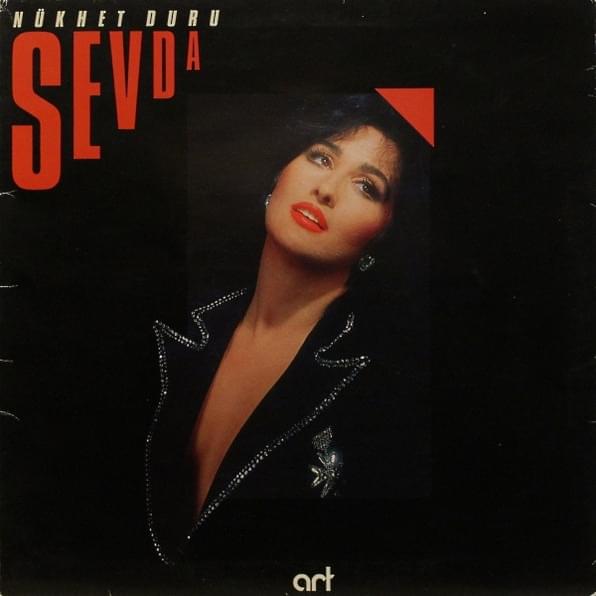
 View Artist