Song Meaning
The lyrics paint a stark picture of outward appearances versus inner reality, centered on a recurring motif of a "white dress" and empty promises ("parola"). The narrator contrasts these symbols of wealth and status – luxury cars, gold watches, chains – with the stark absence of basic sustenance at home, like a pot of water for stew ("puchero a la lumbre con agua sola"), no plate, and no dinner. This creates a powerful tension between the facade and the destitution.
The central conflict seems to be the narrator's questioning of someone who presents a life of opulence but lacks fundamental provision. The repeated question, "¿Dónde (más te me vas) vas sin mi licencia?" (Where do you go without my permission?) or "¿Dónde (más te me vas) vas que yo no vaya?" (Where do you go that I don't go?) suggests a feeling of betrayal or abandonment, not just physically, but in terms of shared responsibility and truth. The "cordón" (cord/lace) from Valencia or Italy, a detail that ties these luxurious items together, feels like a fragile connection to this false prosperity.
The most striking craft element is the relentless repetition of "Tanto..." (So much...) followed by symbols of wealth, immediately undercut by the harsh reality of hunger and emptiness. The phrase "Tanto vestido blanco" itself is particularly evocative, suggesting purity or a pristine image that is ultimately hollow. The repeated invocation of the "cordón" acts as a narrative anchor, a physical connection being pulled, perhaps symbolizing the strain on this relationship or the unraveling of the pretense.
This lyrical construction is effective because it uses concrete, sensory details to highlight a profound emotional and material disconnect. The juxtaposition of gleaming objects with the gnawing emptiness of hunger makes the narrator's disillusionment palpable. The insistent questions about where the other person is going amplify the sense of isolation and the sting of being left behind with nothing but the pretense.
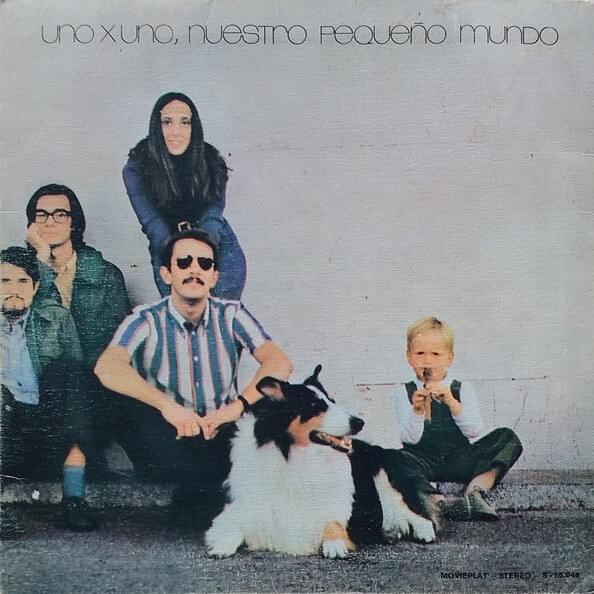
 View Artist