Song Meaning
The lyrics paint a stark picture of a ruthless individual or regime, characterized by a complete absence of empathy. This figure "walk[s] the path of hate" and leaves others "to their fate," never experiencing "regret." The dominant emotional tone is one of cold, unfeeling power, contrasted with the inevitable downfall that the lyrics predict. It's a portrait of someone who believes they operate above consequence, driven by a brutal ideology.
The central tension lies in the repeated assertion that this solitary, unyielding power is ultimately unsustainable. The chorus, "Alone, you stand / Alone, you will fall," acts as a constant refrain, a prophecy of isolation leading to ruin. This isn't just about personal failure; it suggests a systemic consequence for actions devoid of compassion and built on oppression, where "laws come from a gun."
The most striking aspect is the mirroring of language between the oppressor and the oppressed. While the first verses describe the ruler's lack of pity and their "laws come from a gun," Verse 3 shifts to describe the fearful "tread of boots" and the "passbooks" borne by those with "freedom, they have none." The final verse then echoes the oppressive tactic, suggesting the oppressed might eventually "have the guns," turning the cycle of violence. This parallel structure highlights how the tactics of control and the desire for liberation are inextricably linked, even if the means are brutal.
This lyrical construction is effective because it builds a sense of grim inevitability. The simple, declarative sentences and the relentless repetition of the chorus hammer home the message of isolation and collapse. The shift in perspective in the later verses, showing the fear and potential for revolt among the oppressed, makes the predicted fall feel earned and viscerally understood, rather than just a abstract pronouncement.
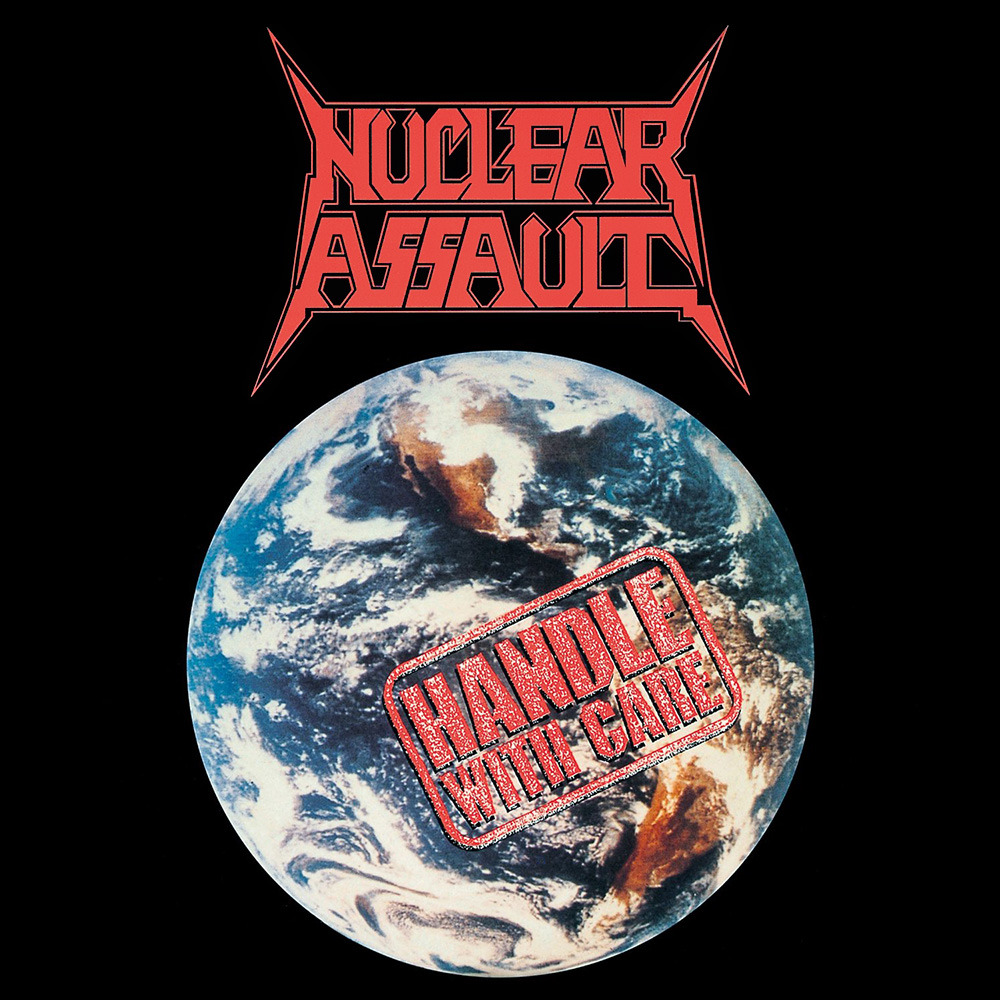
 View Artist