Song Meaning
The lyrics paint a stark picture of the destructive consequences that can arise from a warped interpretation of freedom. It opens by calling out a "maddened, hypocritic, holy man" who preaches selectively and acts out of a "psychotic need to destroy." This figure seems to weaponize belief, twisting it into a justification for violence and intolerance. The repeated, almost chant-like chorus, "Pay the price of freedom," acts as a grim refrain, suggesting that the actions described come with a heavy, unavoidable cost.
The central tension lies in the hypocrisy of those who claim freedom while inflicting immense suffering. Verse two directly confronts this, describing "three thousand lying dead upon our streets" and the use of "freedoms to strike at our core." The narrator highlights the perverse joy taken in "desperate killing spree" and the outrage when the inevitable retaliation, "all-out war," occurs. This juxtaposition reveals a profound disconnect between the proclaimed ideals and the brutal reality of their application.
The most striking aspect is the lyrical progression from self-deception to bitter realization. Verse three shifts perspective, depicting the aftermath of conflict where "warplanes fly above" and "tanks roll through your flattened homes." The survivors, hearing "wounded moan," are left to "wonder how you could be so misled." This moment of clarity, prompted by devastation, leads to the somber conclusion: "Next time, try a peaceful approach instead." The repeated chorus now feels less like a warning and more like a lament for the irreversible damage done.
Ultimately, these lyrics resonate because they expose the dangerous potential of unchecked ideology and the devastating human cost of weaponized freedom. The stark imagery and the cyclical, accusatory chorus create a powerful indictment of those who exploit liberty for destruction, leaving only ruin and regret in their wake. The final plea for peace underscores the tragic irony of learning the value of restraint only after experiencing the full horror of its absence.
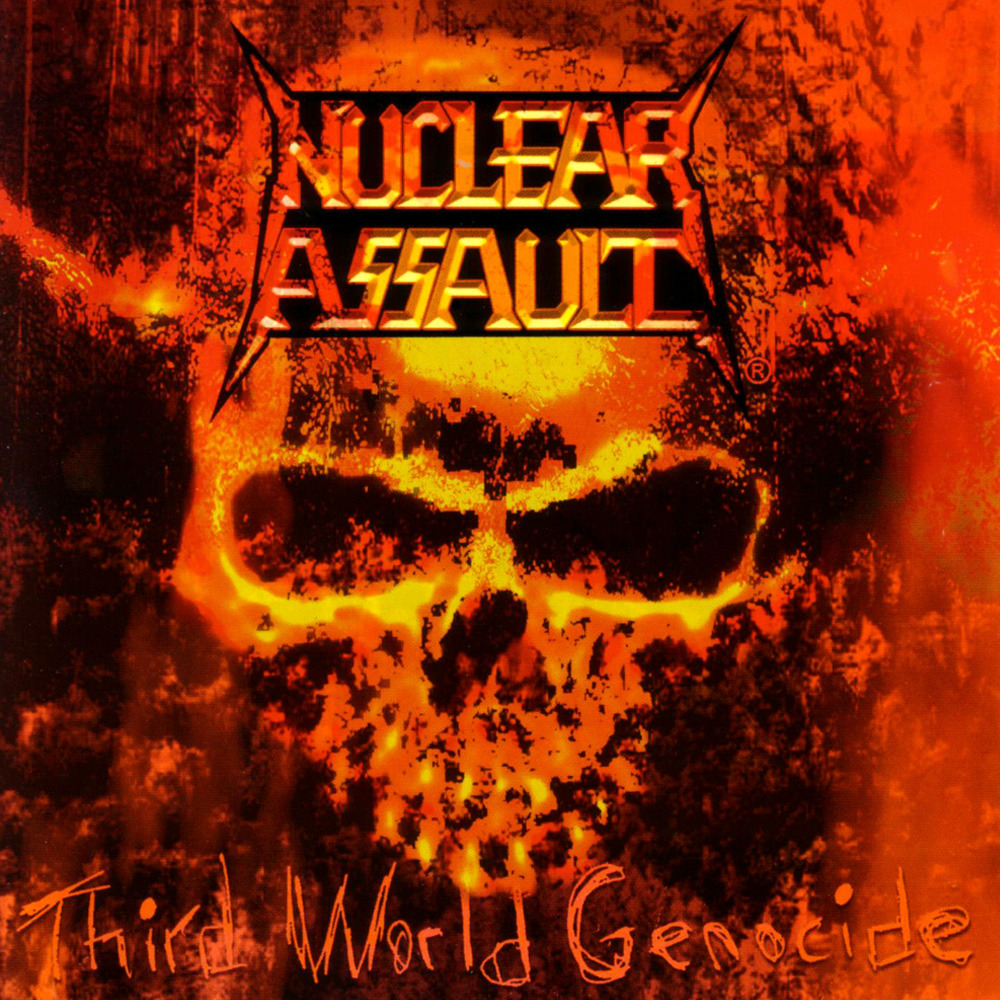
 View Artist