Song Meaning
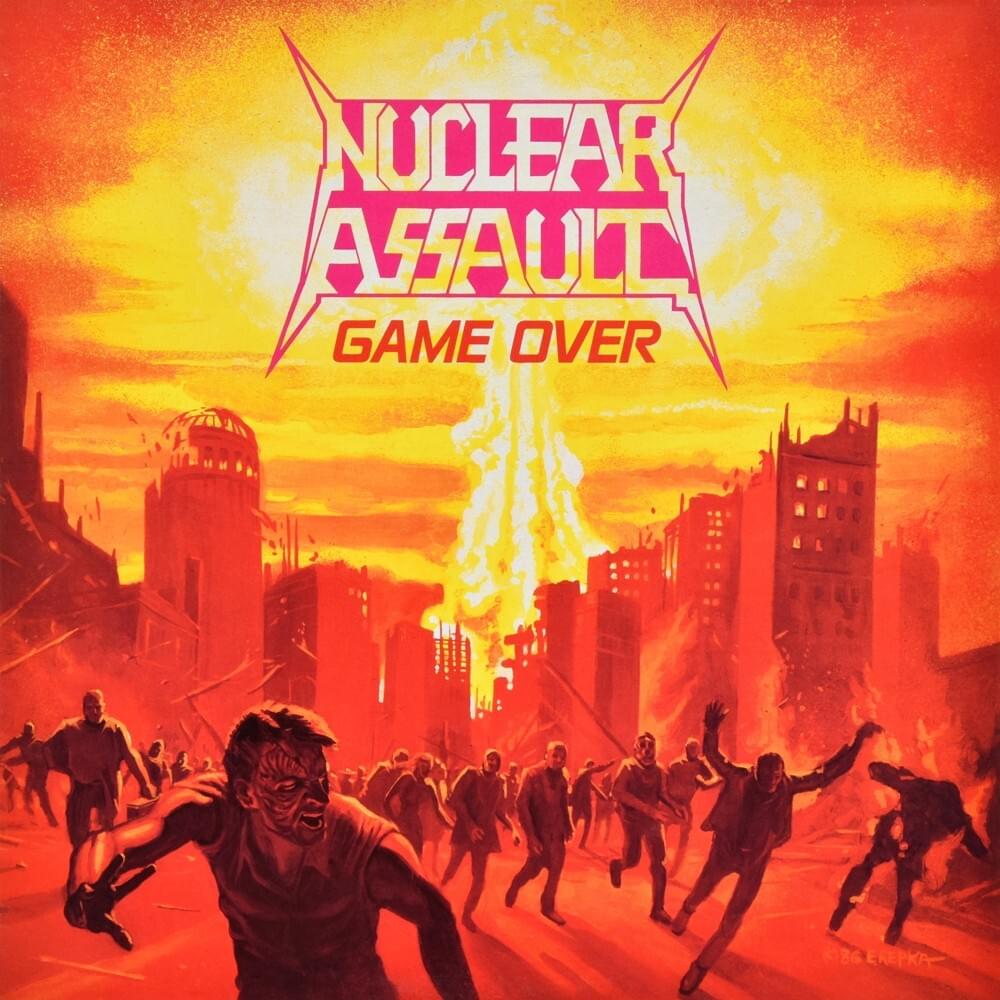
The lyrics paint a stark, immediate picture of devastation. "War has come / To your home" sets a tone of inescapable dread, quickly escalating to the chilling finality of "Nuclear war / The final war." The initial verses establish a sense of profound loss, questioning the very concept of victory when the outcome is universal destruction. The narrator poses a rhetorical question, "Who has won / When all are dead / Except for the machines?" highlighting the ultimate futility and the potential for a post-human existence.
The central tension lies in the irrationality of conflict leading to self-annihilation. The lyrics directly confront the perceived justifications for such destruction: "For your god / And country / You'd destroy the world." This is framed not as a noble sacrifice, but as sheer "madness," a desperate delusion that survival is possible in the face of total annihilation. The grim pronouncement, "It's better just to die," underscores the hopelessness of the situation.
The most striking aspect of the writing is its blunt, unadorned language, which amplifies the horror. There are no elaborate metaphors, just direct statements of fact and consequence. The repetition of "The final war" and the bleak imagery of "Radioactive debris" create a suffocating atmosphere. The contrast between the abstract ideals of "god / And country" and the concrete reality of "millions dead" is jarring, emphasizing the disconnect between rhetoric and ruin.
These lyrics hit hard because they strip away any pretense of glory or heroism from nuclear conflict. The unvarnished truth of total loss and the chilling question about machines inheriting the Earth leave the listener with a profound sense of unease. The bleak outlook, "Looking at the future / There's not much to see," serves as a powerful, despairing indictment of humanity's capacity for self-destruction.
 View Artist