Song Meaning
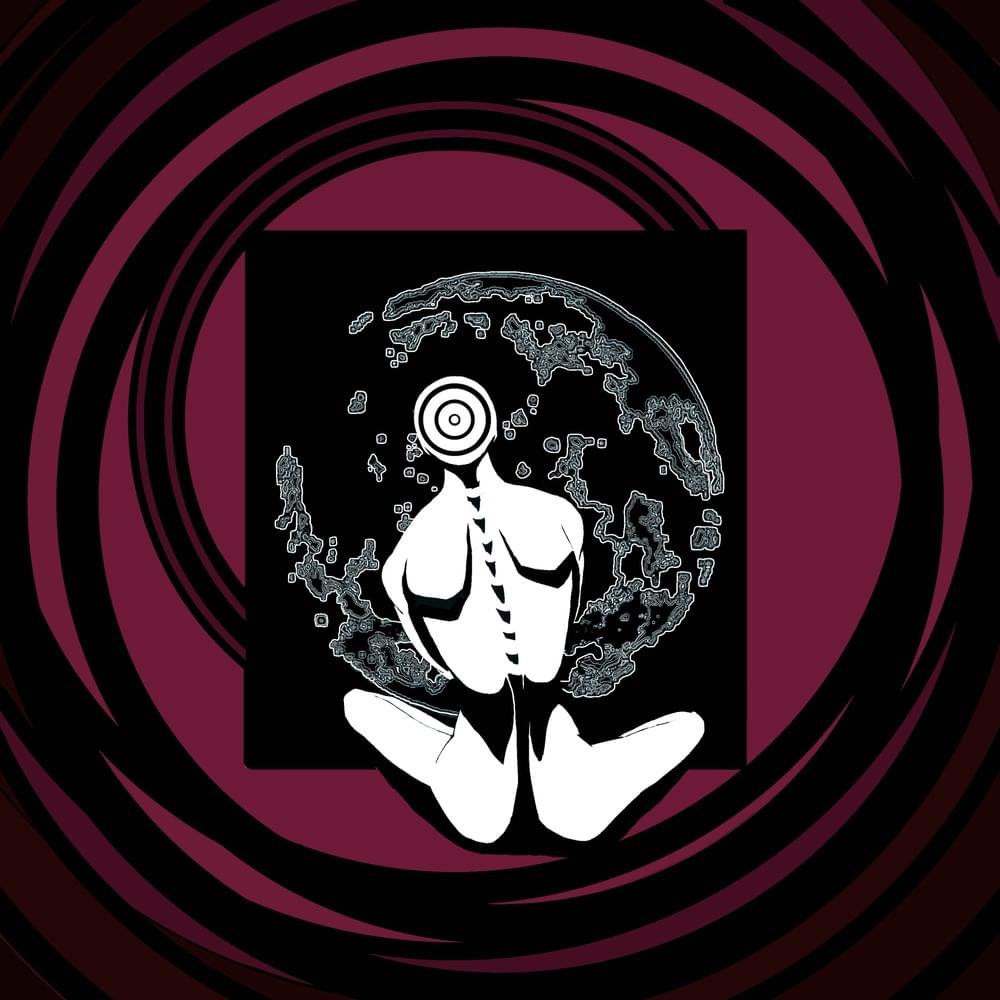
The lyrics paint a stark, almost cosmic scene, opening with a "black moon waning at dawn" and a "noose-crescent." This imagery immediately sets a tone of inevitable decline and perhaps a grim destiny. The narrator suggests that fate will reveal the harsh birth of "aesthetics," implying a brutal, perhaps violent, origin for beauty or understanding, even for those who feel like outsiders. It’s a world where even the moon seems to hang like a trap.
The central tension revolves around mortality and a chilling form of immortality. The narrator declares, "You will be ready to die, / But I will never die again." This suggests a transformation or a state beyond death, contrasted with the readiness of others to face their end. The repeated phrase "kill kill kill" amplifies this, becoming an almost incantatory force, blurring the line between action and existence itself. The idea of "skeletons in someone else's bed" and only being able to "sleep with corpses" further emphasizes a detachment from conventional life and relationships, leaning into a morbid permanence.
The most striking element is the relentless repetition of "kill kill kill," escalating from a phrase to a near-constant refrain. This obsessive repetition transforms the word from a simple act into a pervasive state of being or a fundamental principle. The lyrics propose that "killing is truth, in thoughts," a radical and disturbing assertion that links destruction with ultimate understanding. This is further reinforced by the declaration that "life is only for the enemies of art," suggesting that true artistic or existential insight requires a rejection of conventional life and perhaps a embrace of annihilation.
These lyrics hit hard because they confront the listener with a profound sense of finality and a disturbing form of transcendence. The stark, almost nihilistic imagery, combined with the narrator's claim of eternal existence, creates a powerful emotional dissonance. The relentless repetition of "kill" acts as a sonic and thematic hammer, driving home the idea that destruction might be the ultimate form of creation or truth. It’s a visceral exploration of mortality, art, and a chilling immortality that leaves the listener contemplating the destructive impulses that might underpin existence.
 View Artist