Song Meaning
The lyrics paint a picture of profound existential drift, a stark contrast to a past perceived as more grounded and purposeful. The narrator recalls a time of effortless movement, symbolized by "float," now replaced by a sense of falling and uncertainty. This shift from "used to know" to "not sure now" establishes a core tension: the loss of a defined purpose and the struggle to reconnect with a sense of self. The repeated question, "What was I made for?" acts as a haunting refrain, underscoring this disorientation.
The central conflict emerges from the narrator's perceived artificiality and lack of genuine feeling. Describing oneself as "an ideal" that "looked so alive" but was "not real" suggests a performance or a manufactured existence, "just somethin' you paid for." This disconnect between outward appearance and inner reality is amplified by the admission, "I don't know how to feel." Yet, this despair is tempered by a flicker of hope: "But I wanna try," and the tentative belief that "someday, I might" experience genuine emotion.
The most striking craft element is the juxtaposition of past and present states, particularly the "float" versus "fall down" imagery. This simple, physical contrast powerfully conveys a loss of grace and control. Furthermore, the lyrics cleverly subvert the idea of inherent purpose. The narrator questions their original design, "What was I made for?" only to find a potential future purpose in the very act of learning to feel and "wait for" happiness, suggesting that purpose might be discovered rather than preordained. The line "It's not what he's made for" hints at a complex relationship where the narrator feels unable to fulfill a specific role, adding another layer to their identity crisis.
Ultimately, the effectiveness of these lyrics lies in their raw vulnerability and the delicate balance between despair and nascent hope. The simple, direct language and the recurring, searching question create an immediate emotional resonance. The eventual shift in the outro, from questioning what they were "made for" to anticipating what they "can be" and "wait for," offers a subtle but powerful arc. It suggests that even in the depths of feeling lost, the capacity for change and the pursuit of happiness remain, offering a quiet, hard-won sense of possibility.
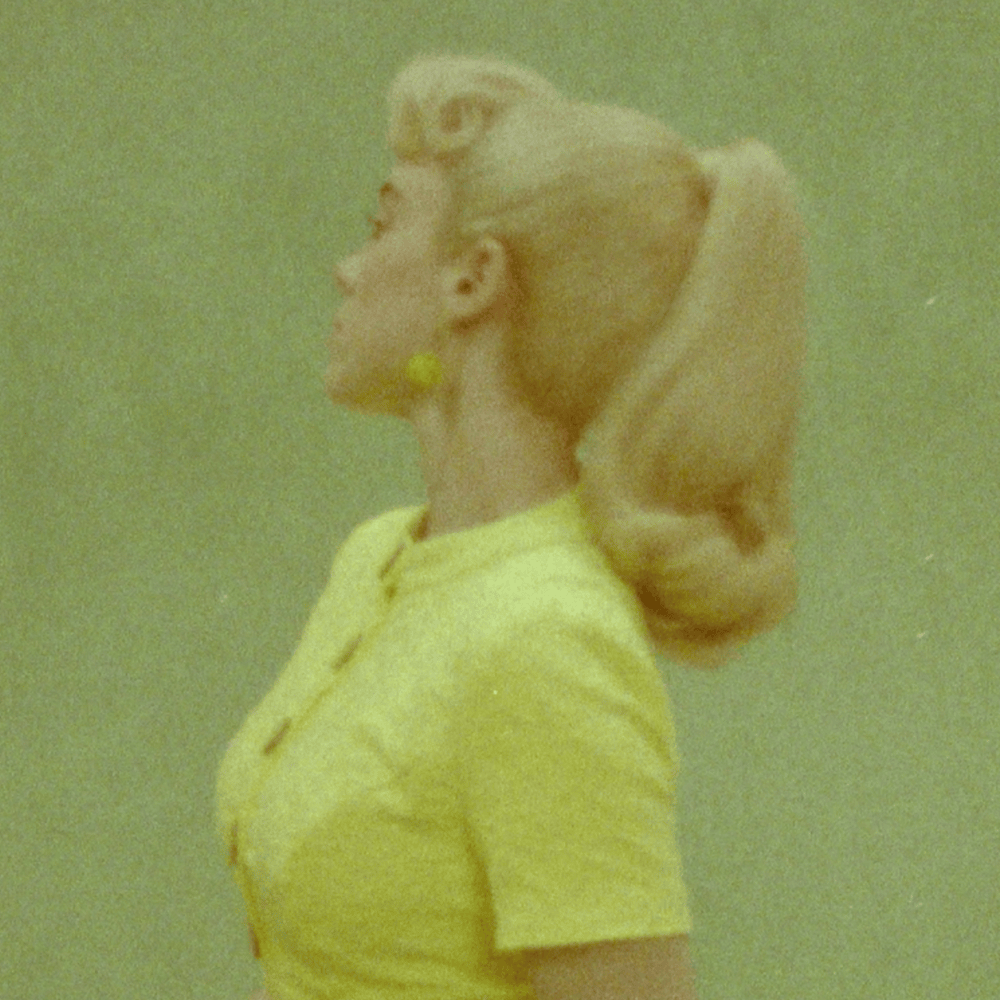
 View Artist