Song Meaning
This track kicks off with a vibrant call to action, urging listeners to embrace the rhythm and let loose. The opening lines, "Vamos bater os tambores / Balançar as cadeiras / Sacudir nossos pandeiros," paint a picture of communal celebration, a shared experience fueled by music and movement. It immediately establishes a tone of joyous abandon, a stark contrast to the mundane or the oppressive.
The core of the song seems to lie in a desire for a radical reordering of societal norms and economic realities. The narrator declares that "dedos jamais foram feitos / Pra contar dinheiro / Pra apertar gatilho," suggesting a rejection of capitalist accumulation and violent conflict. This sets up a powerful tension between the immediate, visceral joy of the music and a deeper yearning for a more equitable world where such destructive pursuits are abandoned.
The repeated phrase "Uma praga de baiano" is particularly striking, functioning as a potent invocation. It’s not a curse in the typical sense, but rather a wish for a transformative, topsy-turvy effect. The lyrics explicitly state the desired outcome: "Para que tudo de novo / Vire tudo ao contrário / O pobre compre fiado / E o rico pague adiantado." This paints a vivid image of a world flipped on its head, where the disadvantaged are given credit and the wealthy are compelled to pay upfront, suggesting a reversal of fortune and power dynamics.
Ultimately, the song’s effectiveness stems from its potent blend of infectious energy and radical social commentary. It uses the communal act of making music and dancing as a vehicle for expressing a profound wish for change. The contrast between the immediate physical release and the abstract desire for a reversed social order creates a compelling, almost magical, atmosphere. It’s a powerful anthem for shaking things up, both on the dance floor and in the world.
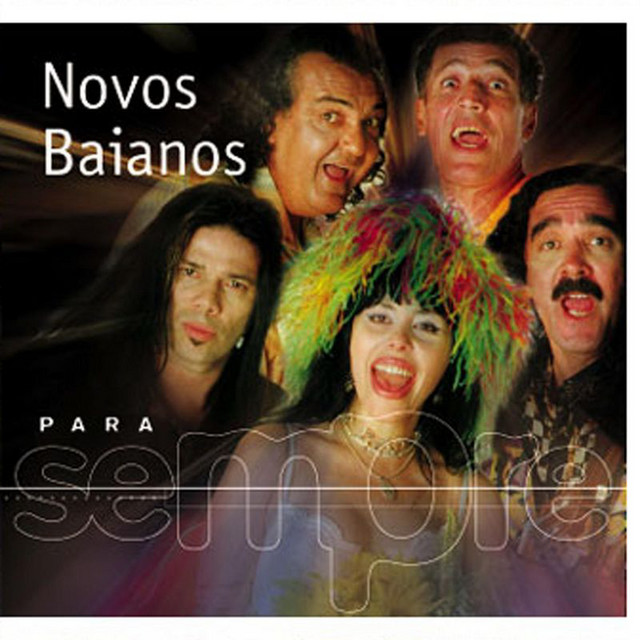
 View Artist