Song Meaning
This track opens with a forceful demand to exit a destructive "game," urging the other person to leave "the most hidden corners." The narrator claims to possess the other's "old sins," immediately establishing a tone of deep-seated grievance and a history of shared mistakes. It's a stark confrontation, suggesting a relationship mired in repeated cycles of conflict and reconciliation, so much so that the narrator has "forgotten the times."
The central tension lies in the stark contrast between the narrator's total investment and the other person's self-absorption. The lyrics paint a picture of imbalance: "I for two, and you for yourself," "I for everything, and you for none." The narrator is the one "opening up," while the other's "closed," highlighting a profound lack of reciprocity. This imbalance is the breaking point, leading to the declaration, "But it ends somewhere here."
The repeated phrase "I for two, and you for yourself" acts as the emotional core, hammering home the unfairness. The narrator's actions are doubled, implying carrying the weight of both individuals, while the other person is solely focused inward. This isn't just about a fight; it's about a fundamental difference in how they approach the relationship, with the narrator giving everything and the other person offering nothing substantial.
The effectiveness of these lyrics stems from their directness and the raw emotional honesty of the imbalance. The narrator's plea to "get out of the game" and the assertion "from the madness I will be saved" are powerful expressions of self-preservation. The imagery of the "dream filled with cracks" perfectly captures the disillusionment and the inevitable collapse of what was once hoped for, making the decision to end it feel both urgent and justified.
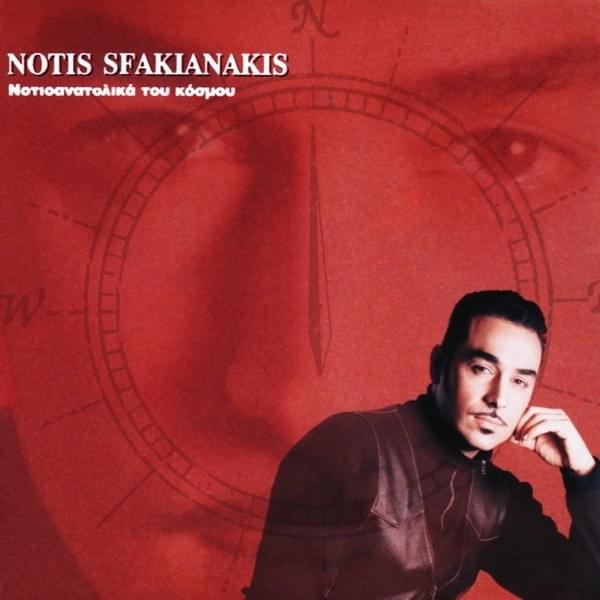
 View Artist