Song Meaning
The lyrics paint a picture of someone who has endured significant hardship, refusing to be accountable to those who judge them. The narrator states, "I have walked roads that burn / And I have passed uphill and narrow paths," establishing a tone of resilience forged through difficult experiences. This defiance is rooted in a deep understanding of their own struggles, suggesting a self-reliance born from adversity.
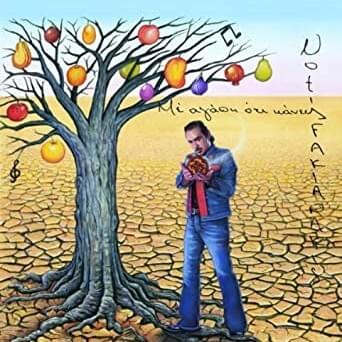
The central metaphor contrasts the "tree that everyone stones" with the "eagle that many shoot." The tree, despite being targeted, is presented as having something to give, implying its value is unrecognized or actively attacked. Similarly, the eagle, though shot at, is described as "hardly anyone will kill it," highlighting its inherent strength and ability to survive despite external threats. This duality suggests the narrator identifies with these symbols of enduring value under attack.
The lyrics reveal a sharp distinction between the narrator and their detractors. The narrator "understands all the fake ones" because "they never flew high." This implies the critics are limited by their own lack of ambition or experience, unable to grasp the narrator's perspective or aspirations. The phrase "they put the brakes on their dreams" further emphasizes this stagnation, contrasting with the narrator's implied upward trajectory.
This song resonates because it articulates a powerful sense of self-worth that persists despite external criticism and hardship. The imagery of the stoned tree and the shot eagle, coupled with the narrator's refusal to account for their actions to the "fake ones," creates a compelling narrative of inner strength. The writing effectively uses these potent metaphors to convey a feeling of enduring spirit against a backdrop of judgment and struggle.
 View Artist