Song Meaning
The lyrics paint a picture of seeking refuge in a dream meadow, a place to escape the hustle and bustle and hide from envious eyes. The narrator plucks a dream like a flower, questioning whether it will bring joy or if dreaming itself is forbidden. This initial scene sets up a desire for solace and a tentative hope found in the ephemeral nature of dreams.
The central tension revolves around the uncertainty of the future, mirrored in the classic 'he loves me, he loves me not' game played with flower petals. The repeated phrase "Mīl nemīl no sirds pavisam nemaz" (Loves me not, from the heart not at all) emphasizes a profound doubt, not just about love, but about the very ability to predict or control one's destiny. The dream itself becomes a daisy, a tool for divination, yet the outcome remains elusive.
The most striking craft element is the extended metaphor of the dream as a flower, specifically a daisy, used for fortune-telling. The lyrics cleverly contrast the tangible act of plucking a flower with the intangible nature of dreams, stating "Sapnis nevar ielikt glāzē nevar sapņus izkaltēt" (A dream cannot be put in a glass, dreams cannot be dried). This highlights the frustration of trying to grasp and preserve something inherently fleeting, leading to a sense of bewilderment, as the narrator admits "Traki sapņi sajauc prātu" (Crazy dreams confuse the mind).
Ultimately, the effectiveness of these lyrics lies in their relatable portrayal of seeking answers in the unknown and the inherent melancholy of that pursuit. The return to the dream meadow at the end, now hiding "no sevis" (from myself), suggests a cyclical struggle with internal anxieties rather than external ones. The writing captures the quiet desperation of wanting to know what’s next, even when the tools for knowing are as unreliable as a flower's petals.
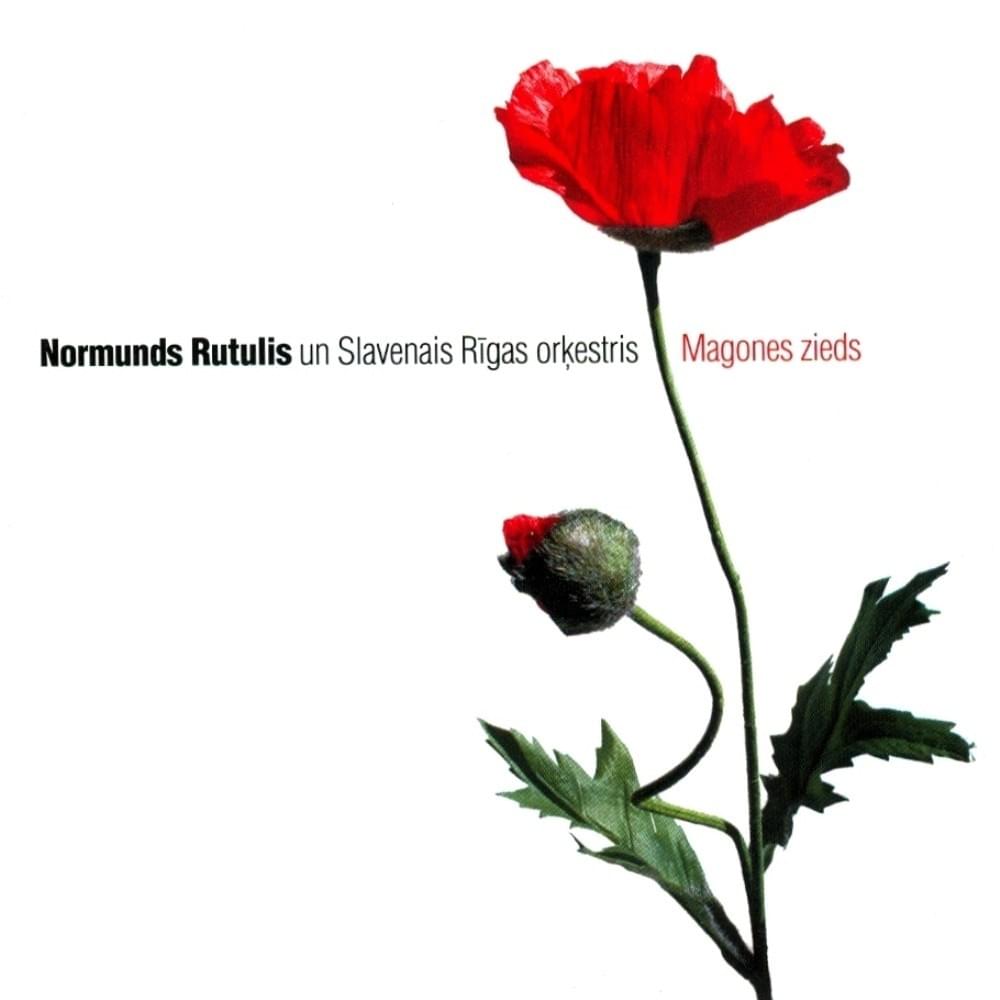
 View Artist