Song Meaning
The lyrics paint a vivid picture of a cherished childhood home, a place that remains crystal clear in memory despite the passage of time. The "old house" is personified with an "open soul," suggesting a welcoming and perhaps vulnerable spirit. In front of it, "green grass" invites a sense of freedom, a place where the narrator could "fall in freely." This imagery establishes a strong emotional anchor to a past of unburdened joy.
The central tension arises from the contrast between the vastness of the "wide world" and the narrator's inability to contain it all. This feeling is likened to packing everything into a "big travel bag" within one's heart. It suggests a yearning to hold onto experiences and memories, but also an acknowledgment of the overwhelming scale of life and the impossibility of capturing every moment. The repetition of the house and grass imagery, however, grounds this expansive feeling in a specific, comforting memory.
The most striking aspect of the writing is the recurring, almost mantra-like refrain of the "old house" and the "green grass." This repetition emphasizes the enduring power of this specific place and the feelings associated with it. The phrase "dvēsele ir vaļā" (soul is open) is particularly evocative, imbuing the structure with a sense of life and emotional resonance. It transforms a physical building into a repository of deep personal history and feeling.
Ultimately, these lyrics resonate because they tap into a universal longing for a foundational place of safety and freedom. The craft lies in its simplicity and directness, using concrete images like the house and grass to evoke complex emotions about memory, belonging, and the overwhelming nature of existence. The persistent return to the "old house" offers a powerful counterpoint to the world's immensity, suggesting that even as life expands, certain core memories provide an unshakeable sense of self.
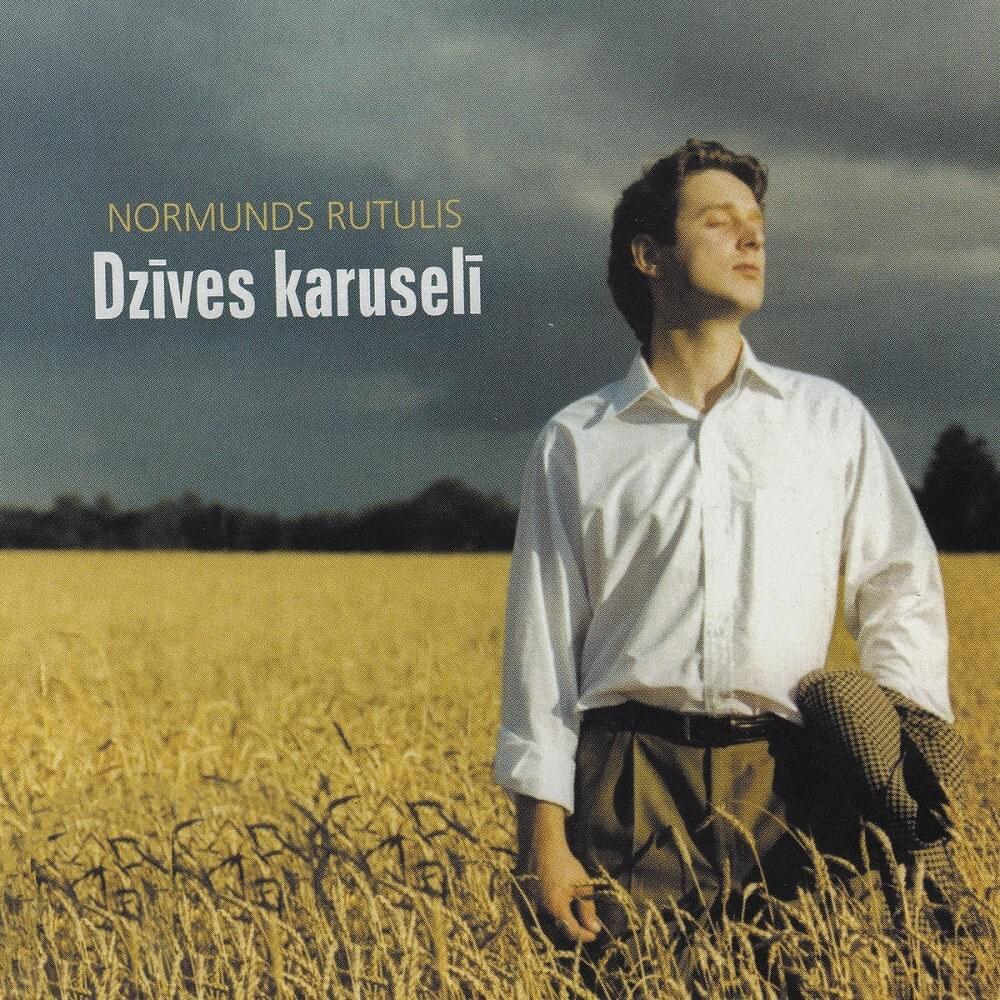
 View Artist