Song Meaning
The lyrics paint a vivid picture of a hopeful, yet melancholic, anticipation of a future meeting. The repeated refrain, "Es tevi mīlu ļoti reiz satiksimies mēs / Pie pulksteņa pie Laimas pie Rīgas dvēseles" (I love you very much, we will meet again / By the clock at Laima, by the soul of Riga), establishes a specific, almost fated location for this reunion. This iconic Riga landmark, "Laima clock," becomes a symbol of destiny and a shared future, grounding the abstract declaration of love in a tangible place. The imagery of the flower market, with wind "cutting like a blade" and overturning tin cans, introduces a stark contrast to the romantic ideal, suggesting that even in moments of beauty and anticipation, there's an underlying harshness or transience.
The central tension lies in the juxtaposition of fervent hope and the acknowledgment of fleeting time and potential separation. The lines "Tik kvēlas nodziest astras kā sievietes ko vairs / Nedz zelta riņķis gūstīs nedz grieķa deguns kairs" (So ardent asters fade like women who no longer / Will be held by a gold ring, nor a Greek nose will be pleased) are particularly striking. They compare the fading of flowers to the ephemeral nature of relationships or perhaps the loss of youthful allure, hinting at a fear that the anticipated meeting might be too late or that circumstances will change. The imagery of the "Greek nose" is a curious, specific detail that adds a touch of unexpected realism or perhaps a nod to classical ideals that also fade.
The lyrics masterfully employ contrasting imagery to convey this emotional complexity. The idea of meeting "hand in hand like arrows" ("Jau rīt mēs roku rokā kā bultas ritēsim") suggests swift, decisive movement towards each other, a powerful image of unity and purpose. Yet, this is immediately followed by the poignant realization that they will also part "hand in hand, separated" ("Vien roku rokā šķirti jau iesim"). This paradox of being together yet apart, moving quickly towards a future that is simultaneously embraced and acknowledged as brief ("mūžs ir īss" - life is short), creates a profound sense of bittersweet longing. The "passionate TV tower" reaching for the sky ("TV tornis kaislais slies alkas debesīs") adds a modern, almost yearning architectural element to this emotional landscape, mirroring the narrator's own deep desires.
Ultimately, the effectiveness of these lyrics stems from their ability to capture a specific, deeply felt emotional state: the intense desire for a future connection intertwined with an acute awareness of time's relentless march and the possibility of loss. The concrete setting of Riga, the evocative natural and urban imagery, and the striking contrasts in action and state of being all combine to create a powerful, melancholic yearning. The repeated affirmations of love and the promise of meeting, set against these subtle hints of transience and separation, resonate because they articulate a universal human experience of hoping for the future while acutely feeling the present's fragility.
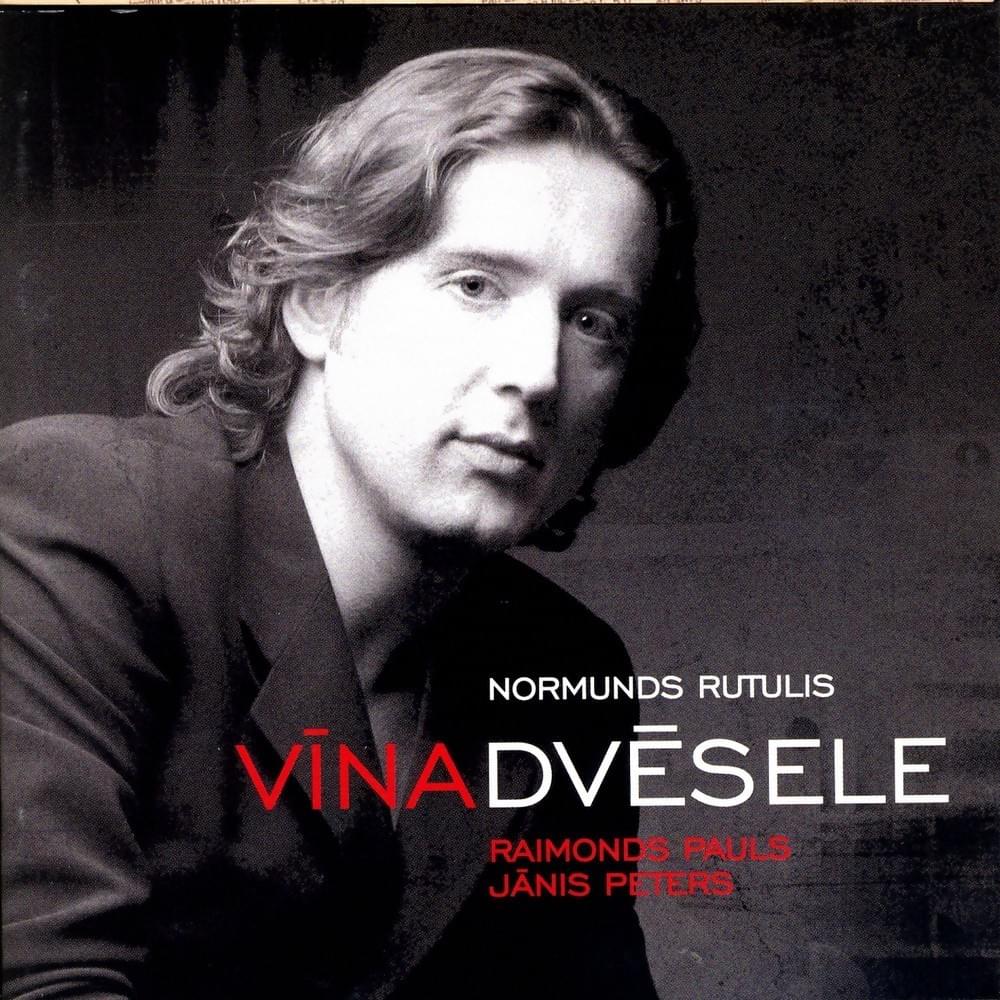
 View Artist