Song Meaning
Norma Jean's "Family Bike Wreck" doesn't offer the listener comforting narratives. The blunt force of the opening lines, "You have the kind of conscience to do with waiting / You all were waiting for the slaughter to murder," immediately implicates the listener in something sinister. The repetition of "murder" hammers home the accusation, suggesting a passive complicity in violence, a willingness to stand by as atrocities unfold. This isn't about individual acts of aggression; it's about collective guilt. The song's meaning seems rooted in the idea that we are all, to some extent, responsible for the darkness in the world.
The shift to "You are the one forgetting the slaughter" deepens the critique. It's not just that we participate in or witness horror, but that we conveniently erase it from our memories. This willful amnesia allows the cycle of violence to continue. There's a sharp psychological observation here: forgetting is not merely a passive process, but an active defense mechanism, shielding us from the weight of our collective failures. Norma Jean isn't letting anyone off the hook; the song's lyrics analysis points to a harsh indictment of human nature.
The recurring phrase "The sky belongs to no one / And I've seen your face before" adds another layer of unease. The sky's boundlessness contrasts with the claustrophobia of guilt. The line suggests a shared human experience, a collective awareness of wrongdoing. The repeated recognition, "I've seen your face before," implies both familiarity and accusation. It's a reminder that we are all interconnected, implicated in each other's actions, forever bound by the history of violence and forgetting. The "Family Bike Wreck" isn't a literal event; it's a metaphor for the fractured state of humanity, perpetually teetering on the edge of disaster, and burdened by a shared history of moral compromise.
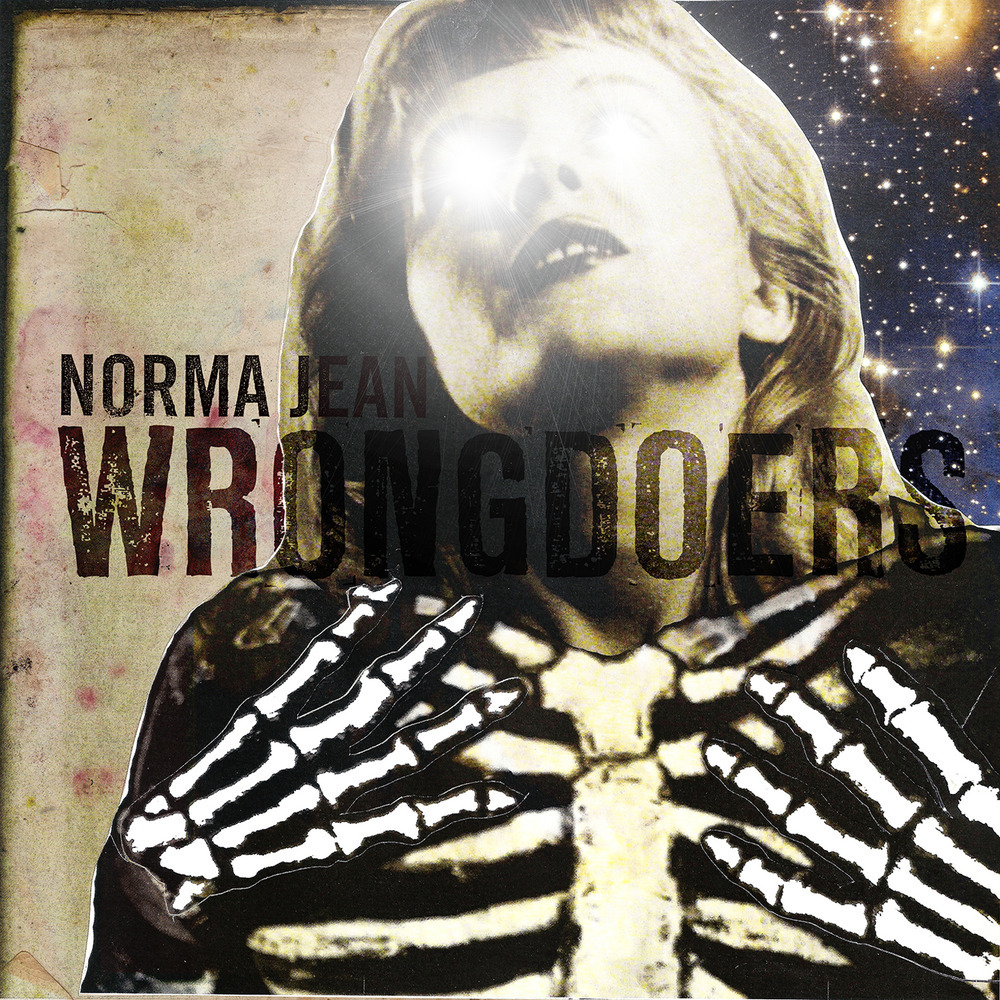
 View Artist