Song Meaning
The lyrics paint a stark picture of isolation and longing, with the narrator stranded "on my island" and desperately awaiting rescue or connection. The dominant tone is one of profound loneliness, underscored by the repeated phrase "I am shipwrecked" ("Ja, jag är förlist"). This isn't just a physical location; it's a state of being, a feeling of being lost and cut off from the world and a specific person.
The central tension lies in the narrator's plea for their loved one to find them, whether by land or sea. They express hope through the possibility of sending a letter, asking "can it find you then?" and the imagined discovery of a shared treasure. This hope is fragile, however, as the narrator also admits to being "alone on a deserted island," emphasizing their vulnerability and the vast distance separating them. The question "When will you find me here?" reveals the deep uncertainty and the fear of being forgotten.
The most striking aspect of the craft is the persistent imagery of the island as both a prison and a potential site of discovery. The island is where the narrator waits, where they might find a treasure, and from where they long for the other person. This duality highlights the narrator's internal state: while physically trapped, their mind is consumed with thoughts of connection and sharing. The repetition of "On my island, I will wait for you" and "On my island, I have longed for you" anchors this persistent, unwavering desire despite the overwhelming circumstances.
What makes these lyrics so effective is their raw portrayal of hope battling despair. The narrator's vulnerability is palpable, particularly in the direct plea, "Don't give up, I need you." The simple, declarative sentences and the consistent, almost ritualistic structure of the verses create a sense of unwavering focus on their singular goal: reunion. The imagery of being "shipwrecked" is a powerful metaphor for feeling lost and broken, making the yearning for connection that much more poignant.
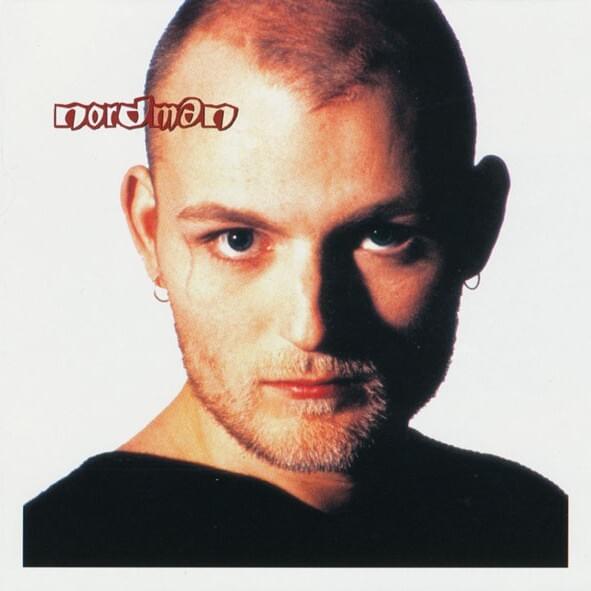
 View Artist