Song Meaning
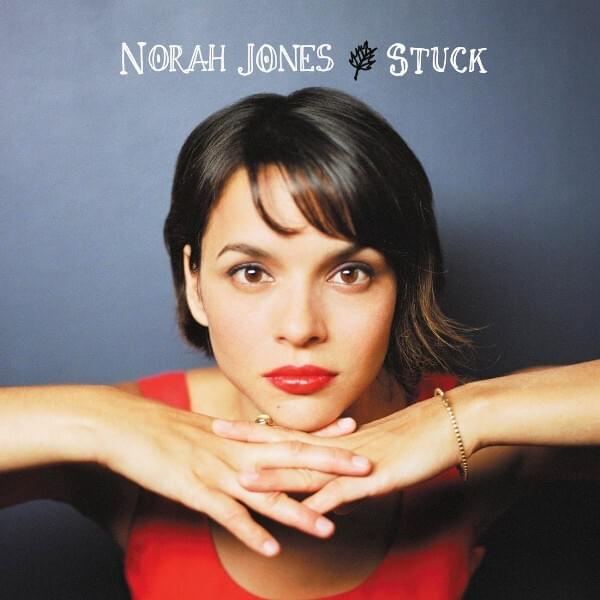
Norah Jones's "Stuck" isn't a song of grand gestures or operatic heartbreak; it's a masterclass in understated emotional claustrophobia. The scene is familiar: a crowded room, a persistent presence, and the agonizing desire to simply *escape*. The genius lies in how Jones paints this feeling not as dramatic conflict, but as a slow, creeping paralysis. The lyrics depict a protagonist trapped in a social interaction that feels both suffocating and inescapable. The repeated plea, "Why can't it be easy, easy? Why don't you leave, leave me, leave me be?" cuts to the core of social anxiety and the draining effort of maintaining composure when all you crave is solitude. The protagonist's mind races, seeking any exit strategy, any excuse to break free from the conversational quicksand. The simple act of being "stuck" becomes a potent metaphor for feeling trapped by unwanted attention or perhaps a deeper, internal struggle.
The imagery in "Stuck" reinforces this sense of emotional inertia. The "long slow walk down Washington Street," the feeling of being a "sinking stone," and the "switched-off telephone" evoke a profound sense of isolation, even amidst a crowd. These aren't images of freedom, but rather of a weary retreat into oneself. The protagonist anticipates a future of solitude, not as a triumphant liberation, but as a kind of desolate resignation. Even in imagined freedom—"a frozen breeze, a fallen-down factory"—the memory of the person's presence persists: "But I still see you swaying, and I can't hear what you're saying." This suggests that the problem isn't necessarily the person themselves, but the internal reaction they trigger.
The final verse offers a glimpse into the psychological undercurrent of the song. Phrases like "lost the plot," "little knot," "hit a wall," and "swinging wrecking ball" hint at an underlying vulnerability. The repetition of "Why don't you tell me?" borders on the absurd, highlighting the communication breakdown and the protagonist's inability to articulate the source of their discomfort. Is the protagonist longing for understanding from the other person, or is she imploring herself to understand her own feelings? "Stuck" refuses easy answers, instead presenting a nuanced portrait of social unease and the complex inner world that often accompanies it. The song's meaning ultimately resonates in its depiction of a universal experience: the quiet battle to maintain one's emotional equilibrium in the face of unwanted intrusion.
 View Artist