Song Meaning
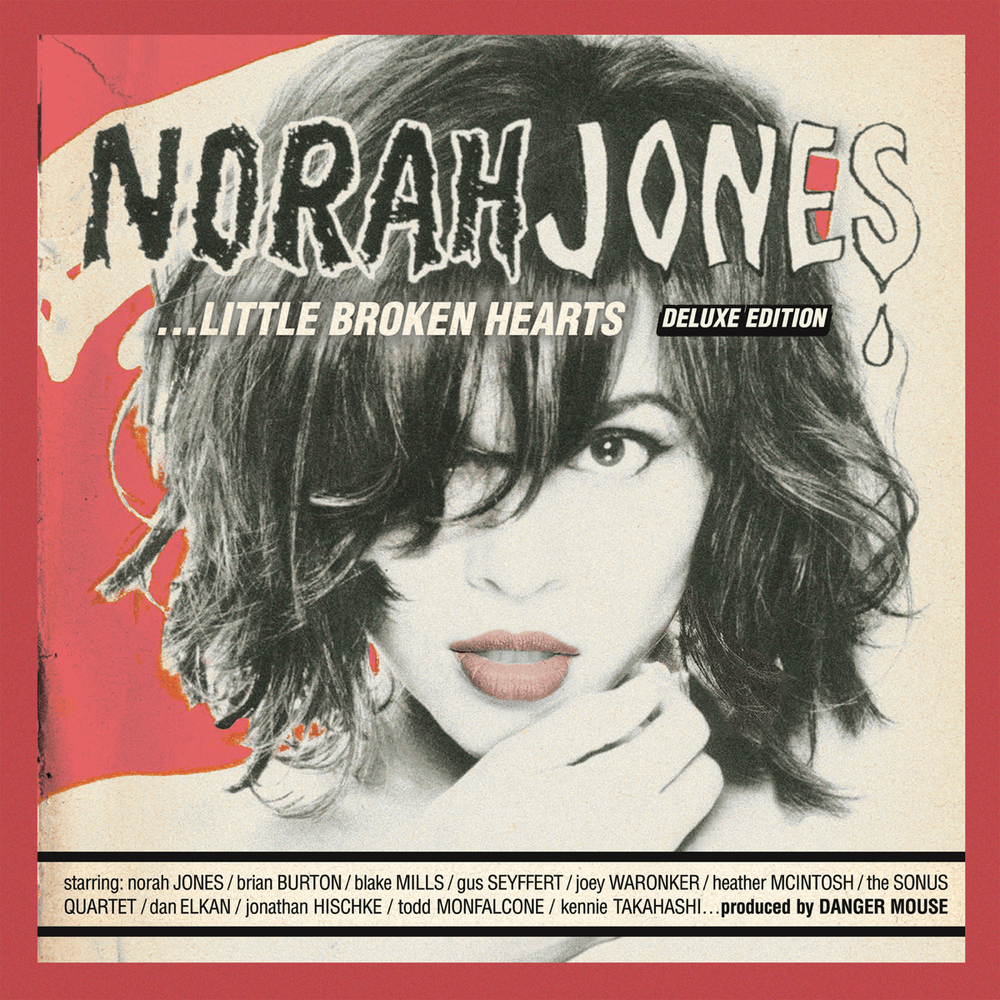
Norah Jones' "Depths" isn't just a lament; it's a masterclass in controlled emotional exposure. The song circles the drain of unrequited love, but Jones doesn't wallow. Instead, she dissects the situation with the precision of a surgeon, laying bare the complex layers of longing, resignation, and a sliver of bitter hope. The central tension hinges on a love triangle, or perhaps more accurately, a love 'line' where the narrator occupies a lonely, distant point. The stark admission, "She's 22 and she's loving you / And you'll never know how it makes me blue," is delivered with a quiet force, revealing both vulnerability and a keen awareness of her own invisibility in the other's eyes. It’s the kind of observation that stings because of its unflinching honesty.
What elevates "Depths" beyond a simple heartbreak ballad is the narrator's internal conflict. She's acutely aware of the imbalance: "I'm holding on to the thing that's wrong / 'Cause we don't belong." Yet, she remains tethered by a fragile connection – "But you like my songs / And you make me happy." This push and pull highlights the intoxicating allure of even the most flawed relationships, where fleeting moments of joy can outweigh the pervasive sense of wrongness. The repeated question, "Does she make you happy?," isn't merely an inquiry; it's a desperate plea for reassurance, masked as detached curiosity. It exposes the narrator's yearning to understand if the happiness the object of her affection projects is genuine or a carefully constructed facade.
The recurring line, "You can throw away / Every word I say," underscores the narrator's perceived insignificance. It speaks to a deep-seated fear of not being heard or valued, a sense that her feelings are disposable in the face of the other's affections. The image of "standing still on this hidden hill" further emphasizes her isolation and the difficulty of navigating the emotional landscape. The "distant valley" represents the object of her affection's world, a place she longs to reach but feels perpetually separated from. Even the hope for happiness is laced with doubt: "Your flowers grow in the frozen snow / And I'd like to know if it's all a show." The song is a complex portrait of longing, a delicate dance between acceptance and the quiet hope that perhaps, just perhaps, happiness might still be within reach.
 View Artist