Song Meaning
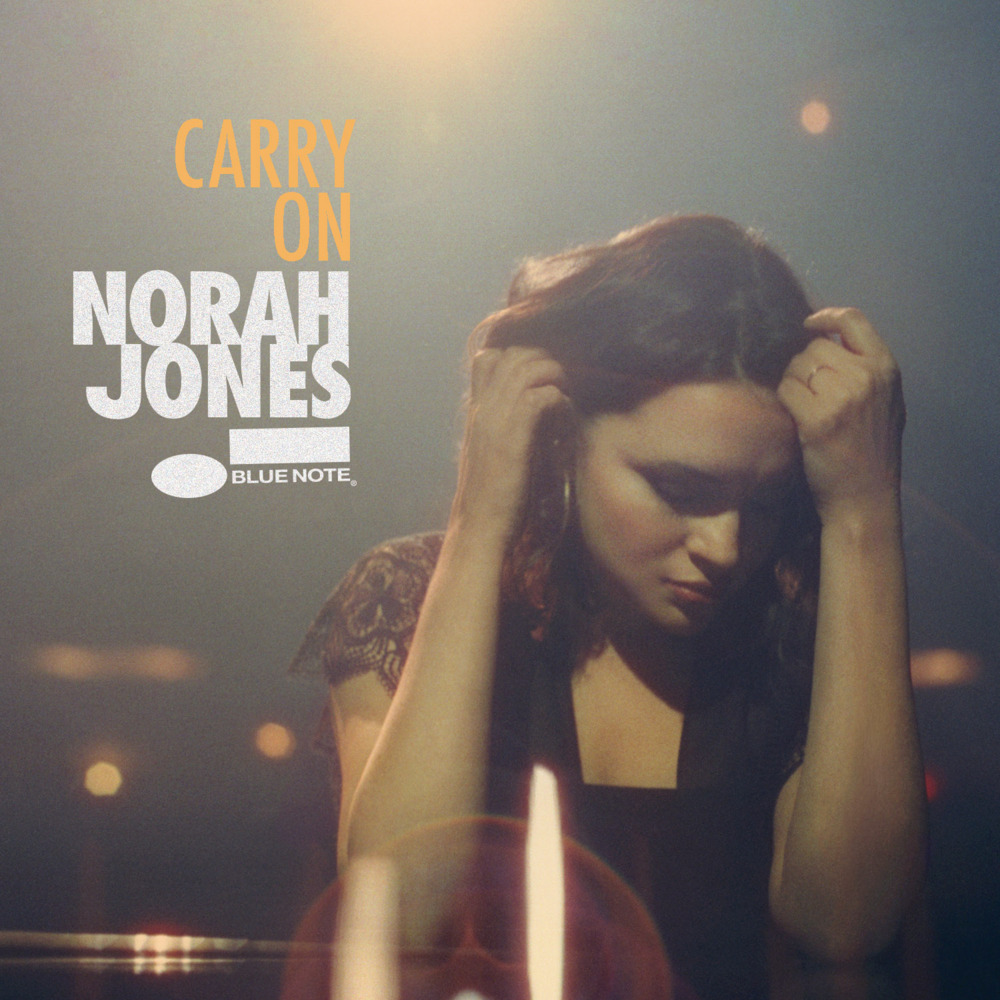
Norah Jones's "Midnight Cruise," covered here by BIBI, isn't a breezy late-night drive. Instead, this sparse track feels like the sonic equivalent of emotional decluttering. The insistent refrain, "carry on," acts as both a mantra for the singer and a gentle nudge to a former lover, or perhaps a past self. The opening lines, questioning who "said it best," hint at a relationship defined by power dynamics and a competition for narrative control. It suggests a need to escape the circular arguments and stifling expectations that poisoned the connection.
BIBI's interpretation, draped in understated melancholy, amplifies the song's inherent sense of resignation. The lyrics betray a quiet acceptance of separation, a willingness to sever ties even if closure remains elusive. The lines "If you should find the time to speak / Then speak to me, I'd never keep / You from your final destiny" underscore a selfless, almost detached love, prioritizing the other person's journey above personal longing. This isn't about bitterness; it's about recognizing the limitations of the relationship and choosing to release it.
The bridge, with its evocative imagery of being "bound / Into the quiet," provides the song's emotional core. The singer acknowledges a personal loss ("I lost my nerve"), but finds solace in the newfound peace that accompanies letting go. This acceptance doesn't necessarily equate to happiness, but rather a hard-won serenity born from facing difficult truths. The repetition of "carry on" throughout the song reinforces the central theme of resilience and forward momentum. It's a quiet, powerful anthem for anyone navigating the aftermath of a significant relationship shift, a reminder that even in the face of heartbreak, life persists.
 View Artist