Song Meaning
The lyrics paint a picture of a reunion with someone named Lut, who appears to be navigating the aftermath of a past relationship. The narrator observes her, noting that "her first man she had behind her," and questions if she's truly doing well. There's a sense of moving on, a feeling that "it had been beautiful" and that time marches forward regardless, as "for nothing the sun rose again." This sets a tone of reflective detachment mixed with underlying concern.
The central tension arises from the narrator's desire to help Lut, a desire that clashes with their perceived inability to act. Phrases like "If only I could help" and "If only I had the nerve and the courage" highlight this internal conflict. The narrator feels compelled to "stop her bleeding heart," suggesting a deep emotional wound they witness, and finds personal solace in the idea of offering aid, stating "helping does me good."
The most striking aspect is the stark contrast presented in the chorus-like sections. Initially, Lut is described with radiant confidence: "Jazeker, because she laughed / Jazeker, because she beamed it out / So sure that she pined / Self-assuredly she undressed." This image of self-possession quickly dissolves into one of profound distress: "Jazeker, because she cried / Jazeker, because she screamed it out / Uncertain and she wandered / Much paler out of this world." This dramatic shift from "self-assured" to "uncertain" and "paler" underscores the fragility beneath the surface.
This juxtaposition is what makes the lyrics resonate. The narrator's repeated wish to help, coupled with the stark portrayal of Lut's emotional volatility – her outward confidence masking deep "weemoed" (melancholy) – creates a poignant exploration of empathy and helplessness. The writing captures the painful awareness of someone's suffering without the means or courage to intervene effectively, leaving the narrator to observe her "wandering out of this world" with a "bleeding heart."
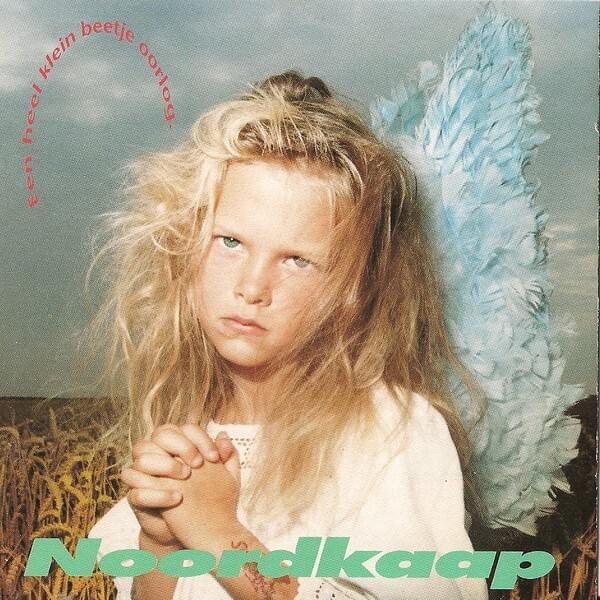
 View Artist