Song Meaning
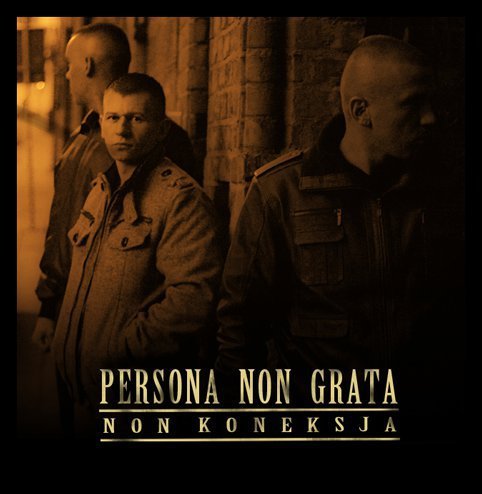
These lyrics paint a stark picture of an individual standing firm against a cynical world. The opening lines immediately establish a setting "full of hatred" and a country rife with "envy, wealth and poverty." This figure, initially speaking in the first person, lives by a strict code of "principles, honor and loyalty." Yet, this adherence to values leads to rejection, leaving them "left to myself."
The central tension here is the profound isolation that comes with unwavering integrity. The lyrics suggest this individual actively rejects external validation, declaring they "don't seek understanding or pity" and "don't want acceptance of the blind crowd." There's a deep distrust of external authority, specifically "politicized media," leading to a complete lack of trust in "anyone." This creates a powerful image of a self-contained moral universe.
The craft here is particularly effective in building this defiant persona. The shift from a first-person "I live" to a third-person "he doesn't seek" universalizes this figure, making him an archetype of resistance. The repeated negation – "Nie szuka," "Nie chce," "Nie wierzy," "Nie ufa" – builds an unyielding wall of conviction. This figure "goes against the current," guided by "ancestral values" and refusing to be "shackled by the chains of the system," grounding his defiance in a sense of historical duty and self-respect.
Ultimately, these lyrics resonate because they articulate a powerful, almost romantic, vision of principled nonconformity. The repeated declaration "Persona non grata" isn't a lament but a badge of honor, a chosen identity for someone who prioritizes dignity and truth over societal acceptance. It's a testament to the strength found in living "in agreement with God and with oneself," even when it means standing utterly alone.