Song Meaning
The narrator begins by defining their freedom as a vibrant, expansive experience, filled with daily joys, new paths, and an unending journey. This sense of liberation is likened to a poem unfolding, where internal questions dissolve upon seeing the narrator's own eyes. It paints a picture of self-sufficiency and a life lived fully in the present moment, unburdened by doubt or hesitation.
However, this initial declaration of independence is immediately challenged by a profound dependence on another person. The narrator finds solace and rest on the other's heart, describing their breath as a fleeting, urgent force that speaks of their shared existence without pause. This intense connection is framed as ephemeral, like dreams that burn brightly and then fade behind a gentle smile, suggesting a fragile, almost desperate clinging to the present moment with this person.
The core tension emerges in the repeated, fearful admission: "Ed ho paura di dirti che / Io non ho niente... se non ho te." This vulnerability shatters the earlier image of unbridled freedom. The narrator's self-worth and sense of having anything at all are entirely contingent on the presence of this other person. The fear isn't just of loss, but of the stark realization of their own emptiness without this specific connection, a truth they are terrified to acknowledge.
This stark contrast between the initial expansive freedom and the subsequent desperate dependency is what makes the lyrics so potent. The craft lies in the swift pivot from a life described as a "cammino, che non finisce mai" to the crushing realization that without "te," there is "niente." The repeated, almost breathless confessions of fear and emptiness underscore a profound emotional fragility, revealing that the narrator's perceived freedom was perhaps a prelude to discovering their true anchor, and their greatest vulnerability.
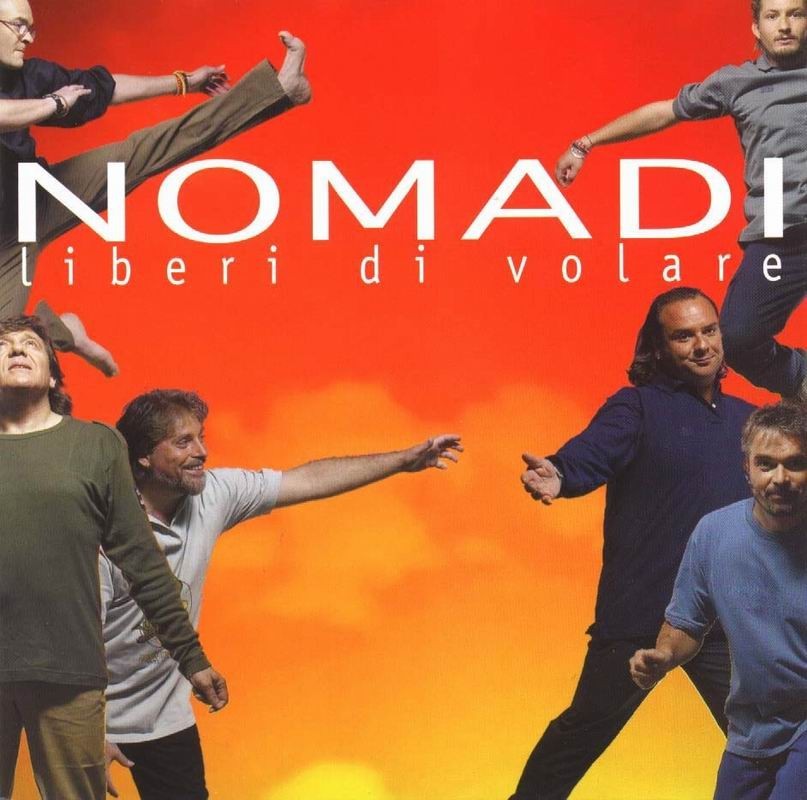
 View Artist