Song Meaning
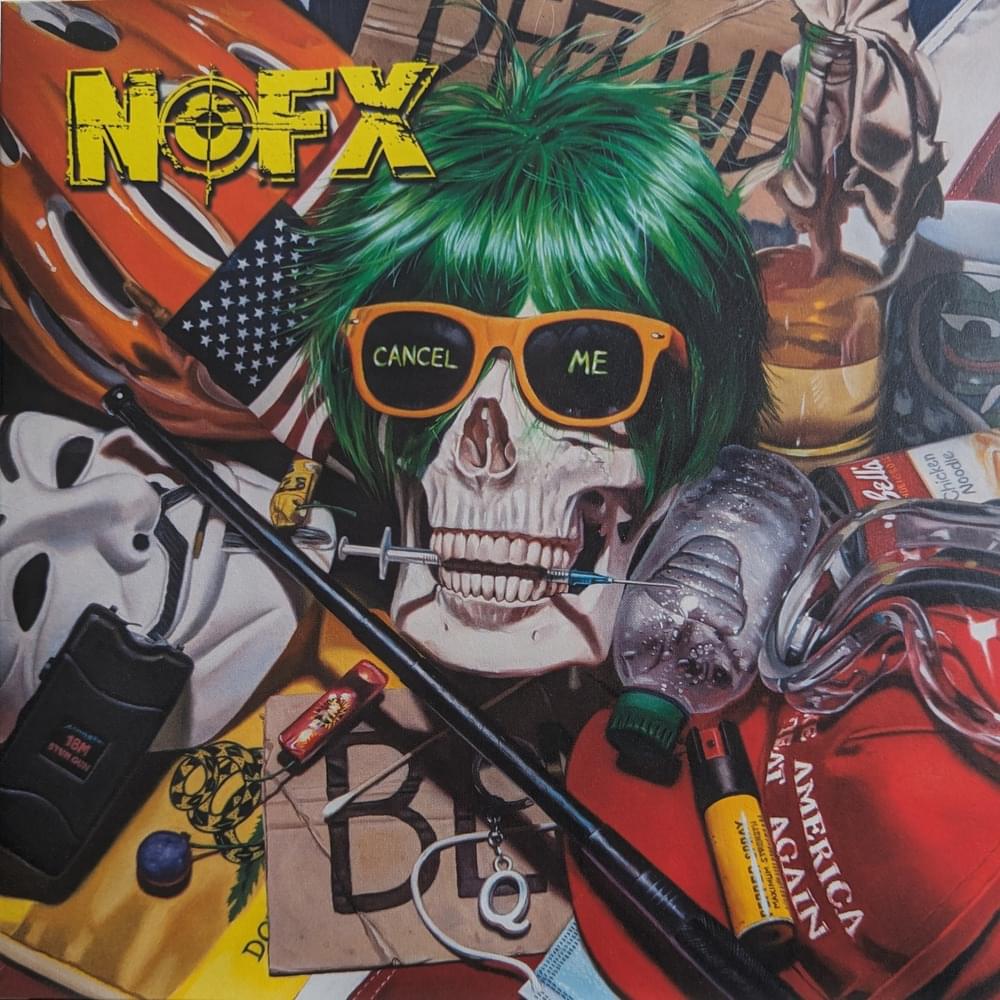
The narrator of "Cancel Me" seems to be preemptively inviting cancellation, listing a series of provocative stances and self-deprecating confessions. They declare "I make fun of rednecks" and "I think both our countries suck," immediately establishing a contrarian, anti-establishment tone. The desire for a "femme-ocracy" over a "good ol' boy garchy embarrassment" further signals a rejection of traditional power structures and a provocative embrace of alternative social orders. This opening salvo sets up a defiant posture, daring the listener or society to "cancel me."
The core tension lies in the narrator's self-proclaimed inability to be "sold" versus their simultaneous plea to be "canceled." They describe themselves as a "spoken word spartender" and the "devil's angel advocate," suggesting a complex, perhaps contradictory, identity that resists easy categorization or commercialization. The repeated phrase "Can't sell me" implies an inherent authenticity or an unwillingness to compromise, even as they anticipate societal rejection. This paradox fuels the song's confrontational energy.
The lyrics take a sharp turn with the accusation that "Rockstars are professional day rapists," a bold and disturbing claim that positions the narrator as a "rock rape whistle blower." This specific, unflinching indictment of industry behavior is a powerful moment, directly linking their own anticipated cancellation to a critique of pervasive abuse. It's a deliberate act of provocation, using their own potential ostracization as a shield and a weapon against perceived hypocrisy within the music world.
Ultimately, the effectiveness of these lyrics stems from their raw, unfiltered confrontation and self-awareness. The narrator seems to understand they are "a freak out of control" and that their "sedition is sub par," yet they lean into these perceived flaws. The final admission, "I'm just just too old," adds a layer of weary resignation, suggesting that the desire to provoke and speak uncomfortable truths might be a function of age and a lack of future to lose. This blend of defiance, critique, and self-deprecation makes the plea to be "canceled" feel less like a cry for attention and more like an inevitable consequence of their artistic and personal stance.
 View Artist