Song Meaning
The lyrics paint a picture of a recurring, perhaps cyclical, feeling or state of being, anchored by the persistent presence of "July" and the number "26." The narrator questions the origins of this state, dismissing notions of divine intervention or mere chance. Instead, the focus shifts to "men with a big 'H'" – suggesting a human element, perhaps flawed or burdened, as the likely source. The idea that a human heart could hold more than one, each with "26," hints at a capacity for multiple, significant emotional experiences or perhaps burdens carried simultaneously.
The central tension seems to revolve around the nature of human experience and decision-making. The narrator ponders if their current state is a matter of "schemes and values" or simply "being born on time," suggesting a struggle to understand agency versus fate. The recurring motif of "26" feels like a specific marker, a point of reference for a significant moment or a cumulative count of something profound, possibly related to emotional weight or life events. The repeated phrase "Más o menos" (more or less) underscores a sense of ambiguity and approximation in these reflections.
The most striking craft element is the introduction of the "almanac full of days 26." This image transforms the abstract number into a tangible, almost calendar-like concept, implying that these significant, perhaps heavy, moments are not isolated incidents but recurring features of existence. The dawn imagery, "Amanece," appearing both as a general feeling and a specific present moment, suggests a transition or a realization that is ongoing, a perpetual state of becoming or awakening tied to these "26" days.
Ultimately, these lyrics resonate because they capture a feeling of profound, yet somewhat elusive, human experience. The ambiguity of "26" and the "more or less" phrasing allows listeners to project their own significant moments or recurring emotional states onto the narrative. The focus on human agency, even in its flawed form, and the tangible metaphor of the almanac make the abstract concept of time and emotional reckoning feel deeply personal and grounded.
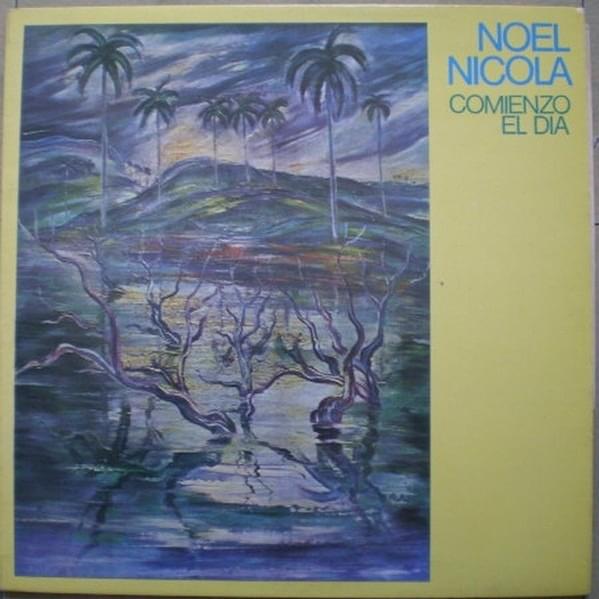
 View Artist