Song Meaning
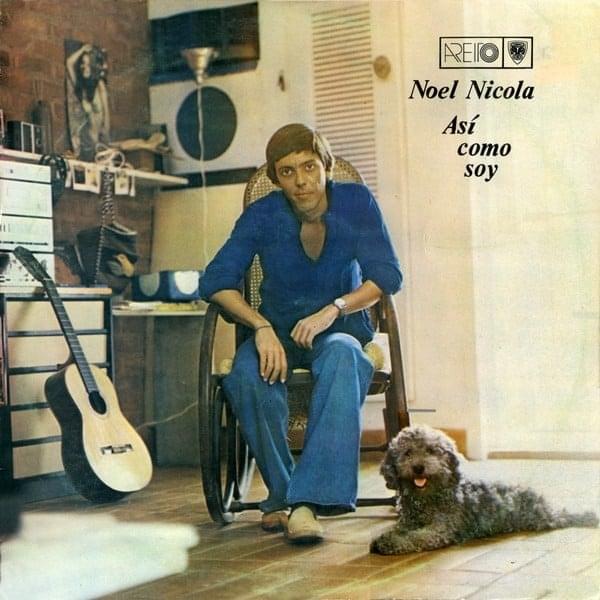
The lyrics paint a picture of a seemingly ordinary person, a "tipo," hidden behind the instrument of a guitar. This individual is presented not as a performer or an idol, but as someone deeply human, grappling with universal experiences. The opening lines immediately ground the subject in relatable flaws and earthly concerns, stating he's "lleno de complejos" and "pegado a la tierra, urgente de besos." This sets a tone of vulnerability, suggesting the guitar is a shield for someone feeling insecure or yearning for connection.
This human core is further detailed through a series of contrasting images and mundane realities. The narrator acknowledges the presence of "la soledad, la compañía fiel" alongside "juguetes de peluche" and "alguna que otra herida chorreándole mujer." This juxtaposition of loneliness with companionship, childhood remnants with adult pain, and physical needs like spitting, sweating, and eating, emphasizes the complex, often messy, nature of everyday existence. The repeated phrase "Un tipo que..." grounds these abstract feelings in concrete, physical actions, making the subject undeniably real.
The lyrics cleverly use the guitar as a metaphor for the public persona versus the private self. While the guitar might suggest artistry or a certain mystique, the narrator insists on the "ser humano" beneath. This is reinforced by the specific, almost prosaic details that follow: observing a wet patio during rain, being aware of "guerras," and thirsting for time. The inclusion of sensory details like "un poco de mar," "periódicos de ayer," and "un olor a café," alongside objects like "un violín en su estuche" and "un bastón rojo y blanco," builds a rich, textured portrait of a life lived, complete with its quiet moments and physical necessities.
Ultimately, the effectiveness of these lyrics lies in their deliberate demystification of the individual behind the art. By listing ordinary actions like coughing, sneezing, going to the bathroom, and making love, the song strips away any pretense and highlights the shared humanity that connects us all. The final declaration, "Detrás de una caja con cuerdas / Hay siempre un ser humano," serves as a powerful reminder that beneath any facade, whether it's a musical instrument or something else, lies a complex, vulnerable, and fundamentally relatable person.
 View Artist