Song Meaning
The lyrics paint a picture of profound disorientation and social paralysis, directly linking the narrator's inability to function to a reliance on technology. The opening lines establish a sense of aimlessness, a literal "walking down the street / I got no direction." This feeling is amplified when the narrator encounters someone, immediately admitting a lack of self-knowledge: "I don't know where I came from." The core confession, "I am helpless without my computers," sets the stage for a narrative where digital tools are not just aids but essential scaffolding for existence.
The central tension arises from the narrator's desire for connection versus their inability to achieve it without their digital crutches. The encounter with "ultimate perfection" leads to a request for information, a basic social interaction the narrator struggles with. This inability to "relate" to "social madness" suggests a disconnect from organic human interaction, a void that computers are meant to fill but ultimately fail to compensate for. The repeated plea, "Don't you wait," hints at a desperate hope that this connection might still be salvaged, even as the narrator's limitations become apparent.
The most striking element is the stark contrast between the narrator's internal state and the external world's demands. When the narrator attempts to secure a "reservation" for "love and affection," the response is a bureaucratic "you're too late," attributed to a "broken" "terminal." This metaphor powerfully illustrates how technological failure directly impedes human connection. Later, even a basic need like acquiring food becomes impossible, not due to lack of money, but because the system is implicitly broken, leaving the narrator unable to navigate the physical world.
Ultimately, these lyrics resonate because they articulate a modern anxiety about over-reliance on technology. The narrator isn't just inconvenienced; they are fundamentally incapacitated, unable to "get it straight" or even procure basic necessities when their digital interface fails. The writing effectively uses the literal breakdown of computer systems as a proxy for the narrator's own social and existential breakdown, highlighting a poignant vulnerability in our digitally mediated lives.
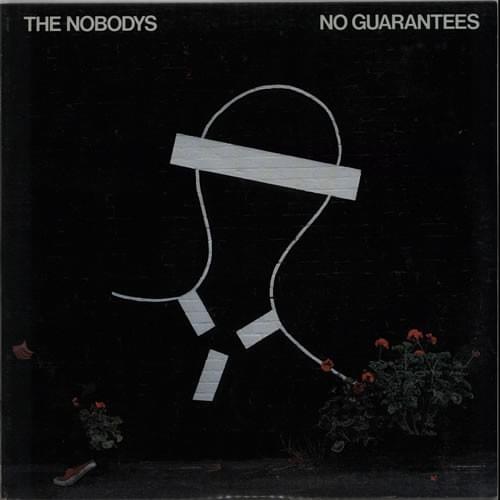
 View Artist