Song Meaning
The narrator grapples with a profound sense of regret and a perceived inability to fully commit, even when driven by strong emotions. The opening lines suggest a willingness to sacrifice anything for love, yet a simultaneous admission of never having the "time to show I could depart." This internal conflict is amplified by the stark contrast between "promised more in vows than I ever give with my heart," hinting at a gap between intention and action.
The central tension arises from the narrator's past failure to pursue the one they loved, leading to a present state of loneliness. The line "I thought I believed in love but I've never seen it through" encapsulates this self-doubt. However, this past failure paradoxically leads to a strange form of resilience. The narrator declares, "now my heart's been broken there is nothing you can do," and defiantly states, "you can't break my broken heart."
The most striking aspect of the craft is the dramatic emotional pivot from "I'll be lonely" to "I'll be laughing." This shift, repeated for emphasis, suggests a coping mechanism or a hard-won acceptance. The impenetrable state described, "impenetrable to pain," is a direct consequence of experiencing the ultimate heartbreak, turning a wound into a shield. This creates a powerful irony: the broken heart, once a source of pain and loneliness, becomes the very thing that protects against future hurt.
Ultimately, these lyrics resonate because they articulate the complex aftermath of regret and loss. The narrator's journey from loneliness to a defiant, almost numb, state of being "impenetrable" is a raw portrayal of how profound disappointment can forge a new, albeit scarred, identity. The repeated assertion that a broken heart cannot be broken further emphasizes this transformation, turning a symbol of vulnerability into one of unshakeable, if melancholic, strength.
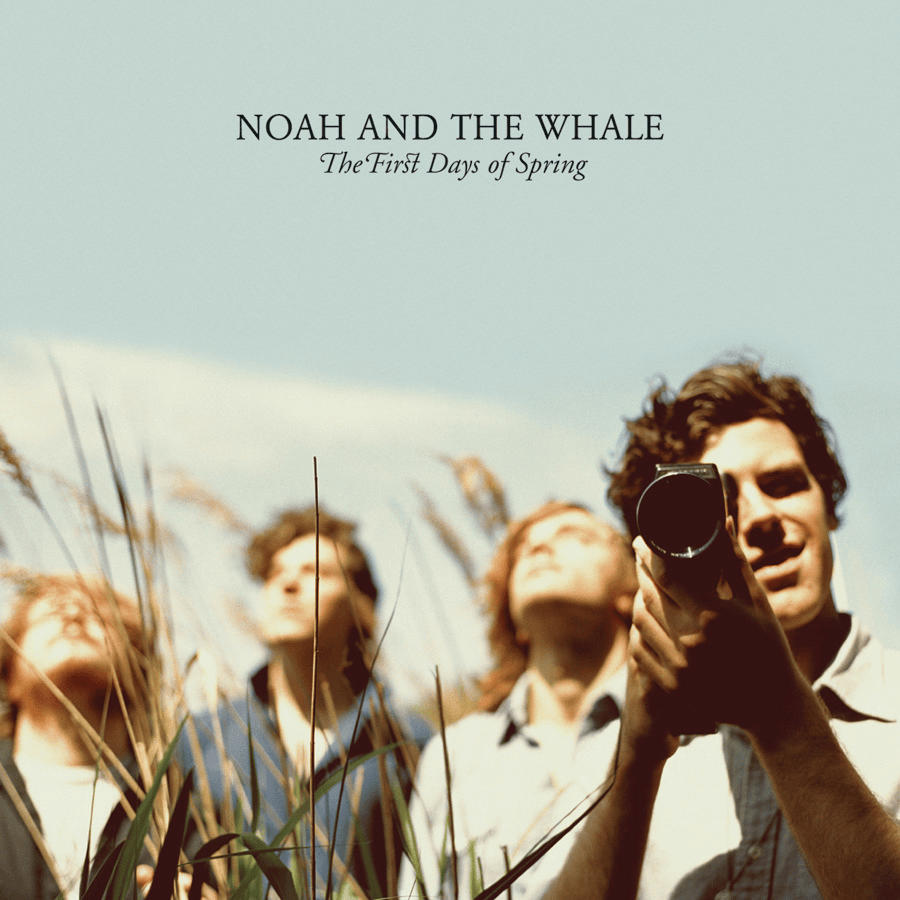
 View Artist