Song Meaning
The lyrics paint a picture of a relationship that has dissolved into a hollow routine, marked by a sense of finality and regret. The opening lines immediately establish a melancholic mood, referencing a diary with two letters side-by-side, suggesting a past intimacy now reduced to a mere inscription. This is framed as the "first thunderstorm when you are alone," implying a solitary experience of emotional turmoil that was once shared or perhaps is now being faced alone. The assertion that "sex until morning we don't call love" starkly defines the absence of genuine connection, reducing physical intimacy to a mechanical act devoid of deeper feeling. The phrase "our last May, no photos left" powerfully signifies the end of a season, a period of time, and the erasure of memories, leaving behind only emptiness.
The central tension arises from the contrast between a past happiness and the present disillusionment. The narrator recalls "In the beginning we were happy," but this is immediately juxtaposed with external judgment ("they are just jealous") and the looming choice presented by "Summer will put two people before a choice: Either move on, or forget everything." This suggests an external pressure or an internal realization that the relationship is unsustainable. The imagery of a "sandcastle crumbling to dust" visually represents the decay of their shared world, raising the question "who was wrong?" The narrator's plea to "just listen" and the assertion that "it will be better for you, better for me" indicate a painful but necessary separation, a recognition that the current state is detrimental.
A striking element is the recurring motif of "arrows straight into the Demon's heart." This metaphor seems to represent a deliberate act of self-inflicted pain or a decisive, perhaps destructive, action taken against a negative force, possibly the destructive patterns within the relationship or within themselves. The lines "Not to fall in love prematurely" and "Creating only problems for us" suggest a history of impulsive emotional engagement leading to inevitable conflict. The narrator's observation that the other person "didn't want to grow up, and now you're trying on purpose" hints at a complex dynamic of arrested development and forced maturity, adding another layer to their shared struggles. The repeated question, "How are you? How are you there?" followed by "We are lost to each other" underscores the profound disconnect and the finality of their estrangement.
What makes these lyrics resonate is their unflinching portrayal of a relationship's decay, moving beyond simple heartbreak to the quiet devastation of shared experiences becoming meaningless. The specific images—diary entries, thunderstorms, crumbling sandcastles, and the absence of photos—ground the emotional weight in tangible, relatable moments of loss. The contrast between past joy and present emptiness, coupled with the stark definition of their intimacy as non-love, creates a palpable sense of disillusionment. The lyrics capture that specific ache of realizing a shared chapter has closed, leaving behind only the quiet echo of what once was and the stark reality of what is now lost.
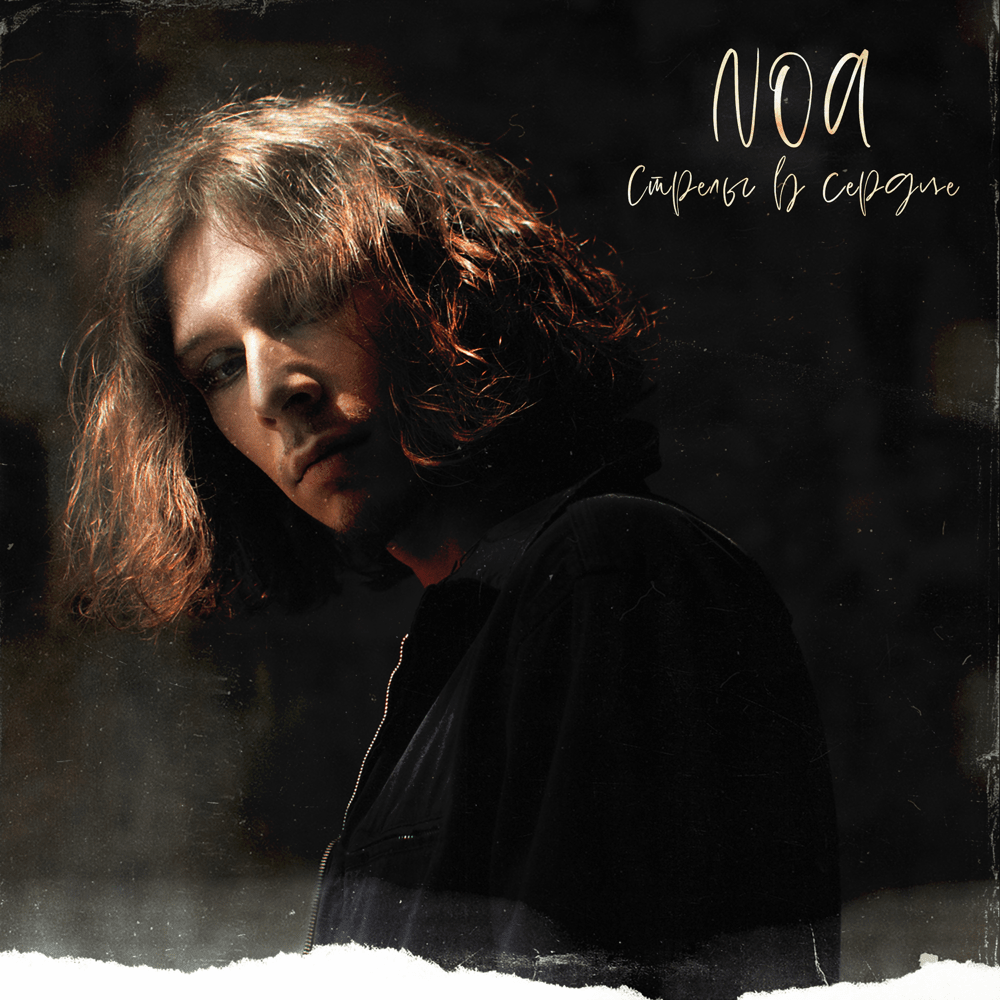
 View Artist