Song Meaning
The lyrics paint a tender, almost dreamlike picture of a longed-for child. The narrator imagines a small boy with dark, curly hair, described as "wise" and "dark-haired." This child is envisioned walking slowly through garden paths, holding the narrator's hand, a scene imbued with a gentle, protective love. The name "Uri" is repeated, its sound described as "soft and clear," a "shard of light" for this dark-haired child, emphasizing its preciousness and the deep affection held for this imagined son.
The central tension lies in the palpable absence of this child. The narrator expresses a deep yearning, comparing their waiting to Rachel's sorrow and Hannah's prayer in Shiloh. This biblical allusion highlights the intensity of the desire for a child, suggesting a profound, almost spiritual longing that has persisted over time. The act of waiting is presented not as passive, but as an active, emotional state of "bitterness" and "prayer."
The most striking craft element is the juxtaposition of the vivid, intimate imagined moments with the stark reality of waiting. The specific imagery of the "dark, curly-haired" child and the "garden paths" creates a tangible sense of what is desired. This concrete vision makes the subsequent, more abstract expressions of longing – "I will still lament like Rachel" – even more poignant. The name "Uri" itself, meaning "my light," becomes a powerful, concise symbol for the hope and brightness this child represents in the narrator's life.
These lyrics resonate because they capture the universal ache of yearning for something deeply desired but not yet attained. The specificity of the imagined child – the dark curls, the gentle walk – grounds the emotion, making the abstract pain of waiting feel intensely personal. The narrator’s craft transforms a deeply private sorrow into a shared human experience of hope, loss, and persistent prayer.
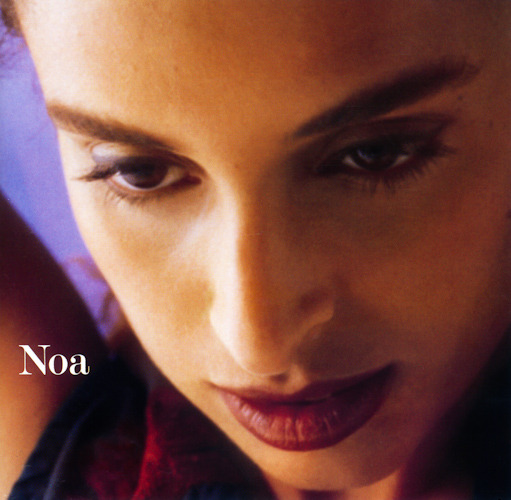
 View Artist