Song Meaning
The lyrics paint a picture of an overwhelming, all-encompassing "love" that permeates every sensory experience and thought. The repetition of "love" acts like a mantra, grounding every observation and feeling in this central emotion. It's a simple, almost childlike declaration, where "morning eyes light love" and a "delicious kiss thanks love," suggesting that love is the primary lens through which the world is perceived and appreciated. The focus is on immediate, tangible moments – a "sweet little girl," a "beautiful new blouse," a "wonderful smell" – all directly attributed to or enhanced by this pervasive love.
The core tension seems to arise from the contrast between the pervasive sweetness and an underlying vulnerability. While the narrator is immersed in affection, expressed through simple endearments like "sweet little girl love" and "sweet big girl love," there's a flicker of anxiety. The line "Who is knocking at the door here for sure love" introduces a moment of uncertainty, a potential disruption to this idyllic state. This is immediately followed by the admission, "Sometimes I'm afraid but love," revealing that even within this loving embrace, a fear exists, though love remains the ultimate anchor.
The most striking aspect of the craft is the relentless, almost incantatory repetition of the word "love." It's not just a subject; it's an adjective, a noun, and an exclamation, fused with every other element. This technique blurs the lines between the object of affection and the feeling itself, suggesting that love is not just present but is the very essence of these experiences. The progression from "little girl" to "big girl" also hints at a developing relationship or a broader scope of affection, encompassing different stages or aspects of a beloved.
This lyrical approach is effective because it bypasses complex narrative for pure emotional expression. The simplicity and directness of the language, coupled with the insistent rhythm of the repeated "love," create an immediate and potent feeling of adoration and perhaps a touch of naive devotion. The subtle introduction of fear, immediately countered by "love," highlights the protective and perhaps even all-consuming nature of this affection, making the emotional core feel both pure and deeply felt.
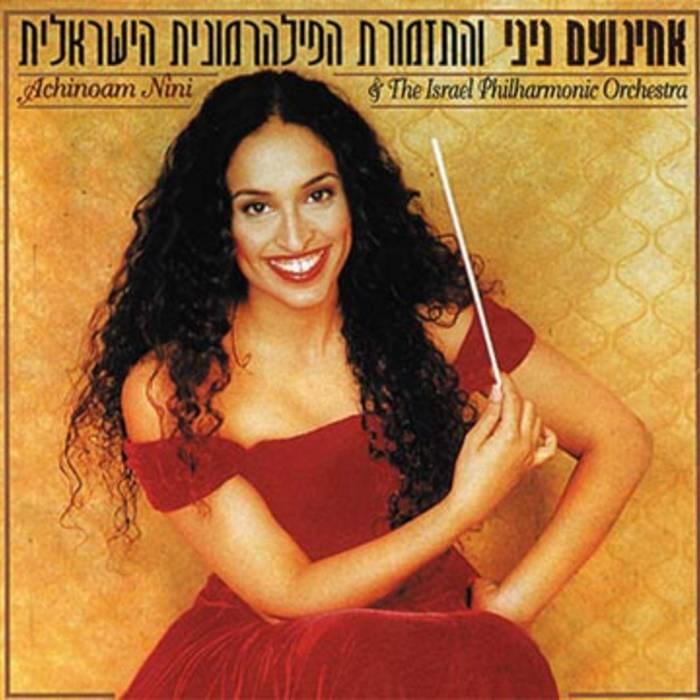
 View Artist